

When it comes to terrariums, size matters.
Sometimes bigger really is better, and if you’re going large with your container choice, you’ll need some seriously large terrarium plants.
In this article, I’ll give my top picks, covering a nice selection of vines, ferns, epiphytes, and bright foliage showstoppers.
Let’s live large!
The Best Large Terrarium Plants
1 | Croton
What better way to fill your large terrarium than with the big, bright Croton?
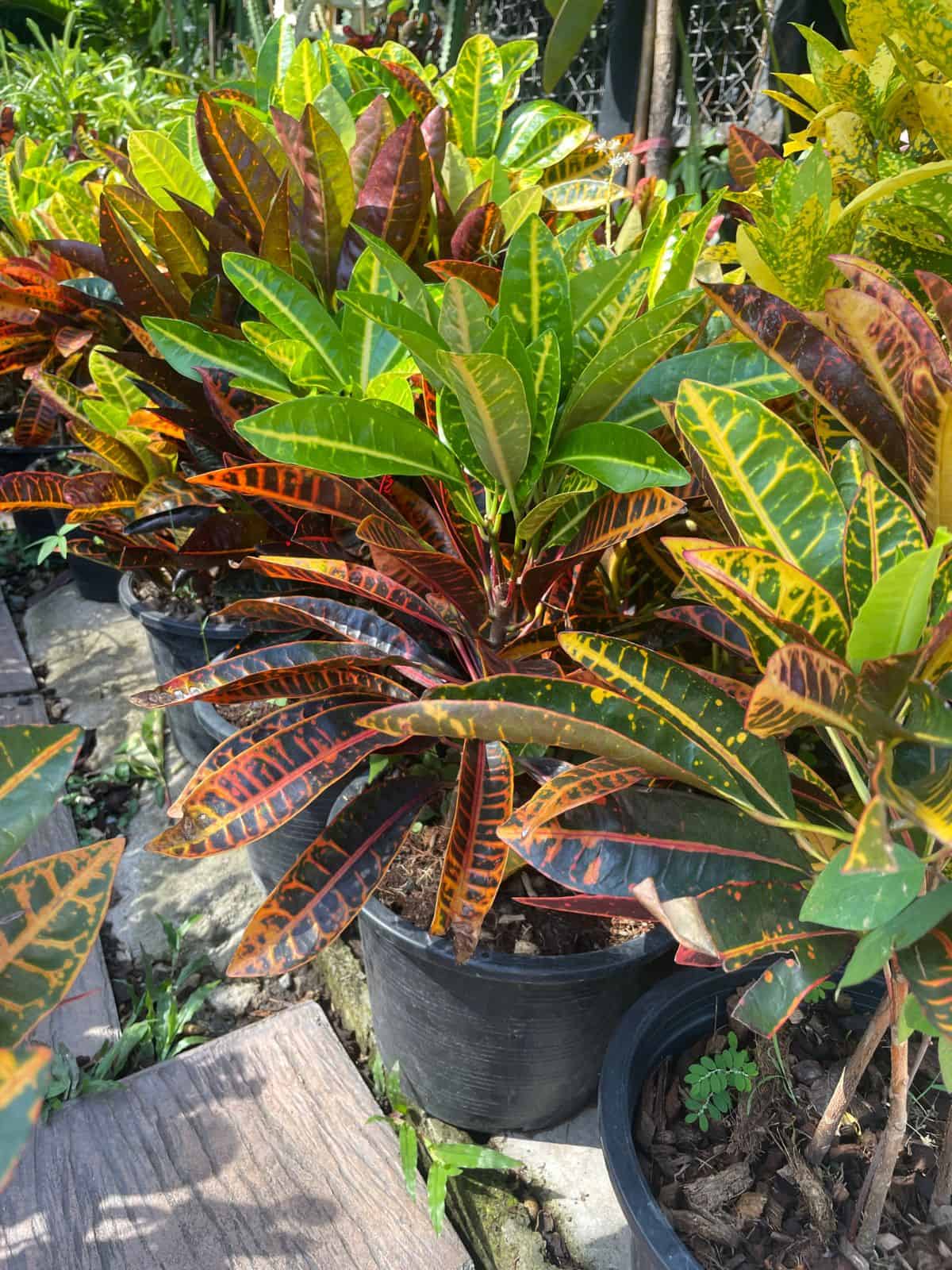
Crotons are native to Asia, so you can be sure they’ll thrive in a warm, humid, closed terrarium.
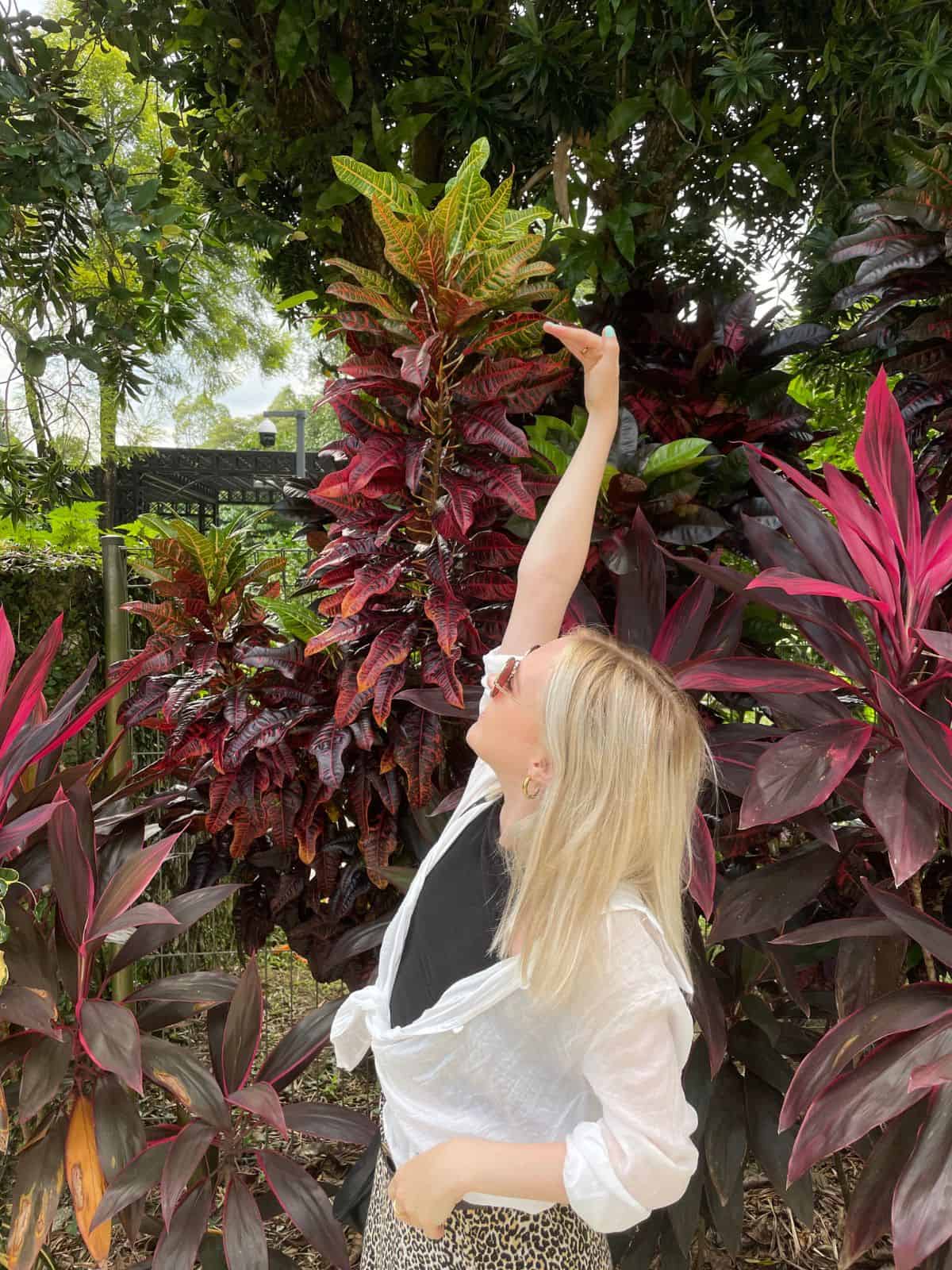
There are many different types to choose from, too, but be warned that some get seriously big. But I guess that’s why we’re here, isn’t it?
That said, the potted ones you’ll buy from the store are unlikely to reach the size of these monsters we’ve found outside (growing under ideal conditions).
Plus, they tend to grow much more slowly indoors, so you’ll certainly have time to keep them in check.
2 | Birds Nest Fern
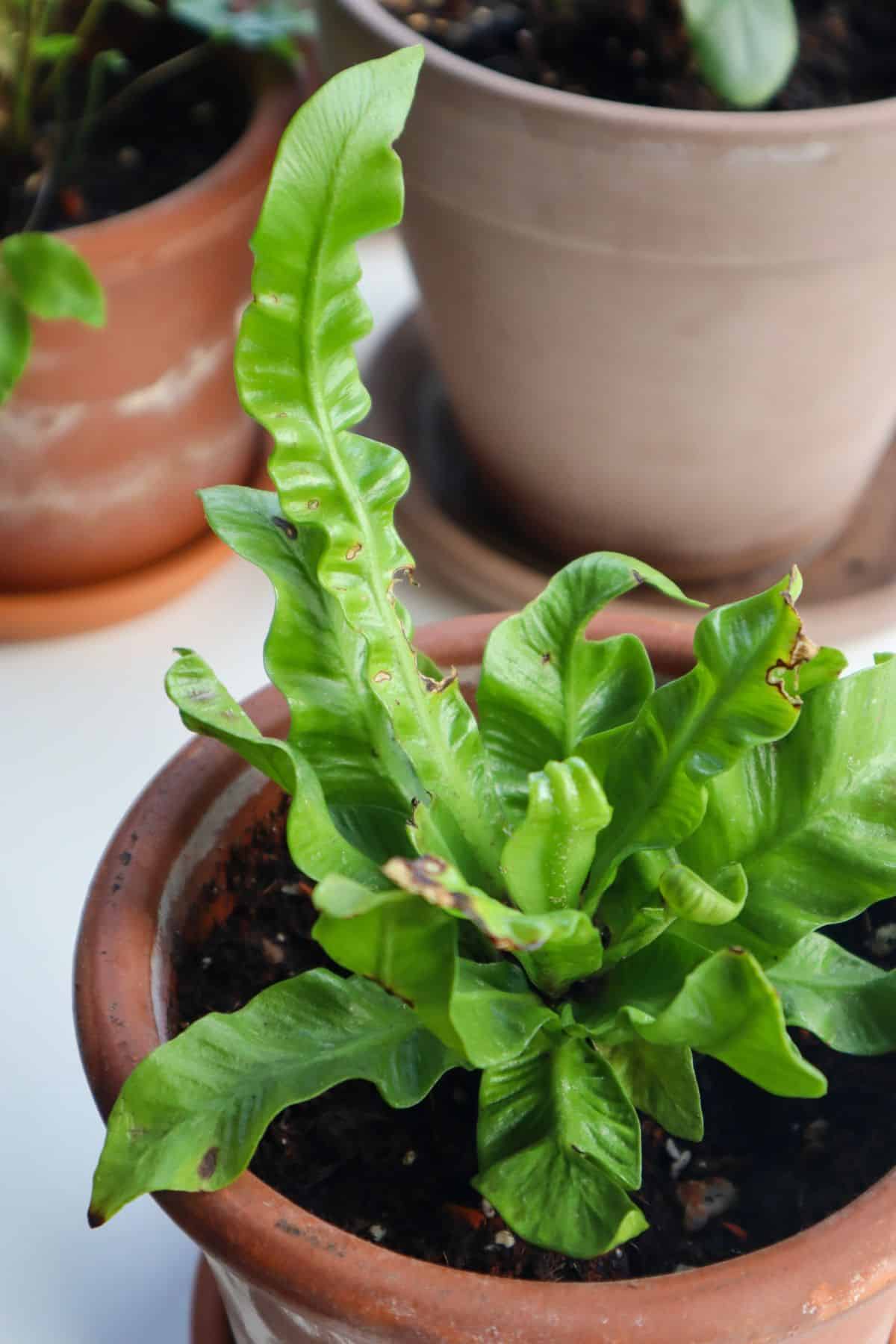
The Birds Nest Fern is perfect for big vivarium installations.
And for me, it’s the first plant that comes to mind when I think of a tropical environment. If you’ve ever been to Southeast Asia, you’ll know exactly where I’m coming from.
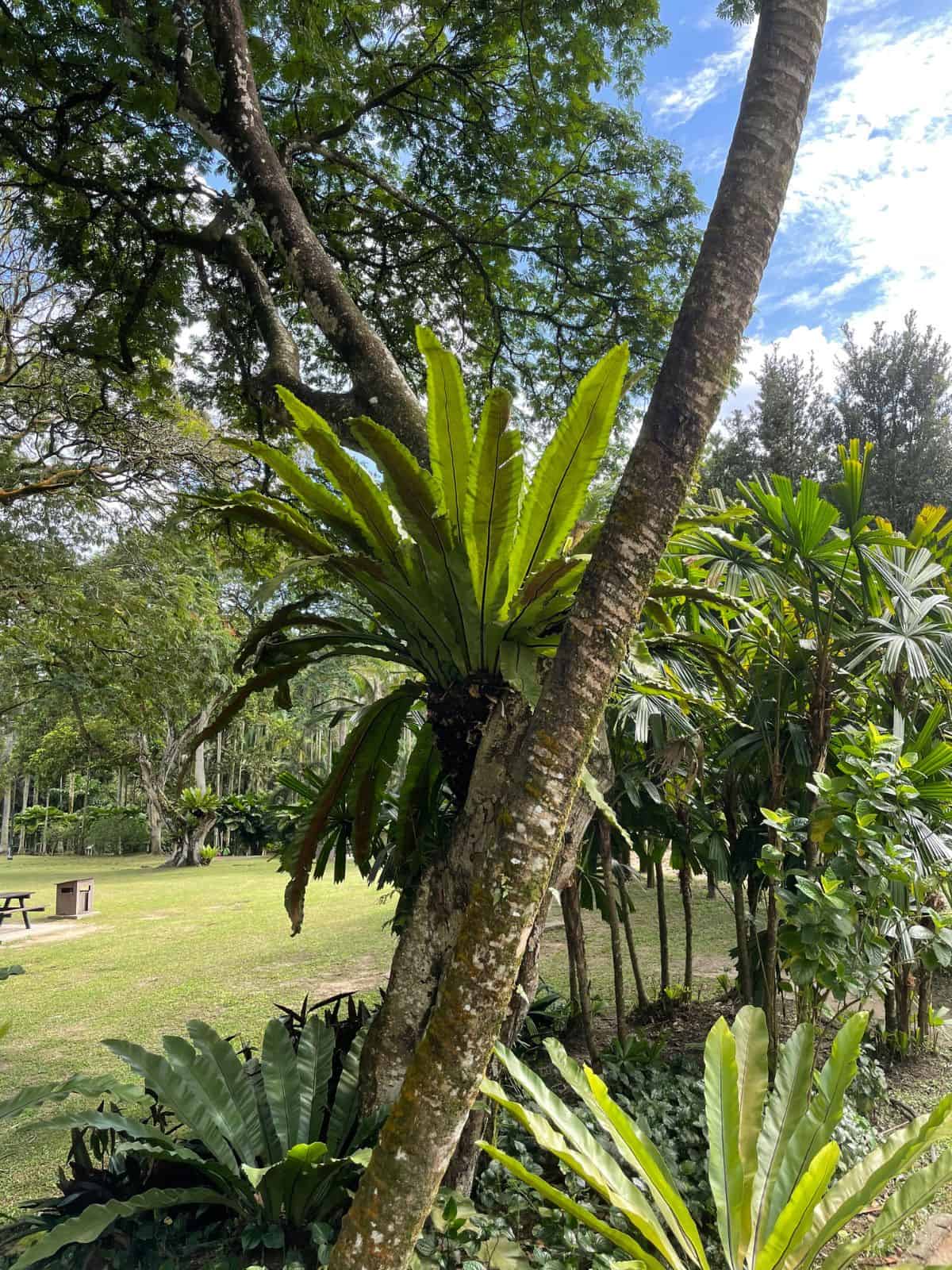
You’ll get the most out of it by mimicking its natural growth cycle and planting it epiphytically in a nook or cranny of a big piece of driftwood, allowing the fabulous fronds to spill out in all directions.
It’s easy to see why it’s called the Bird’s Nest Fern.
3 | Pothos
A Pothos is always the answer.
Of course, if trimmed back regularly, they can be used in smaller terrariums, but if left to their own devices look incredible in larger pieces.
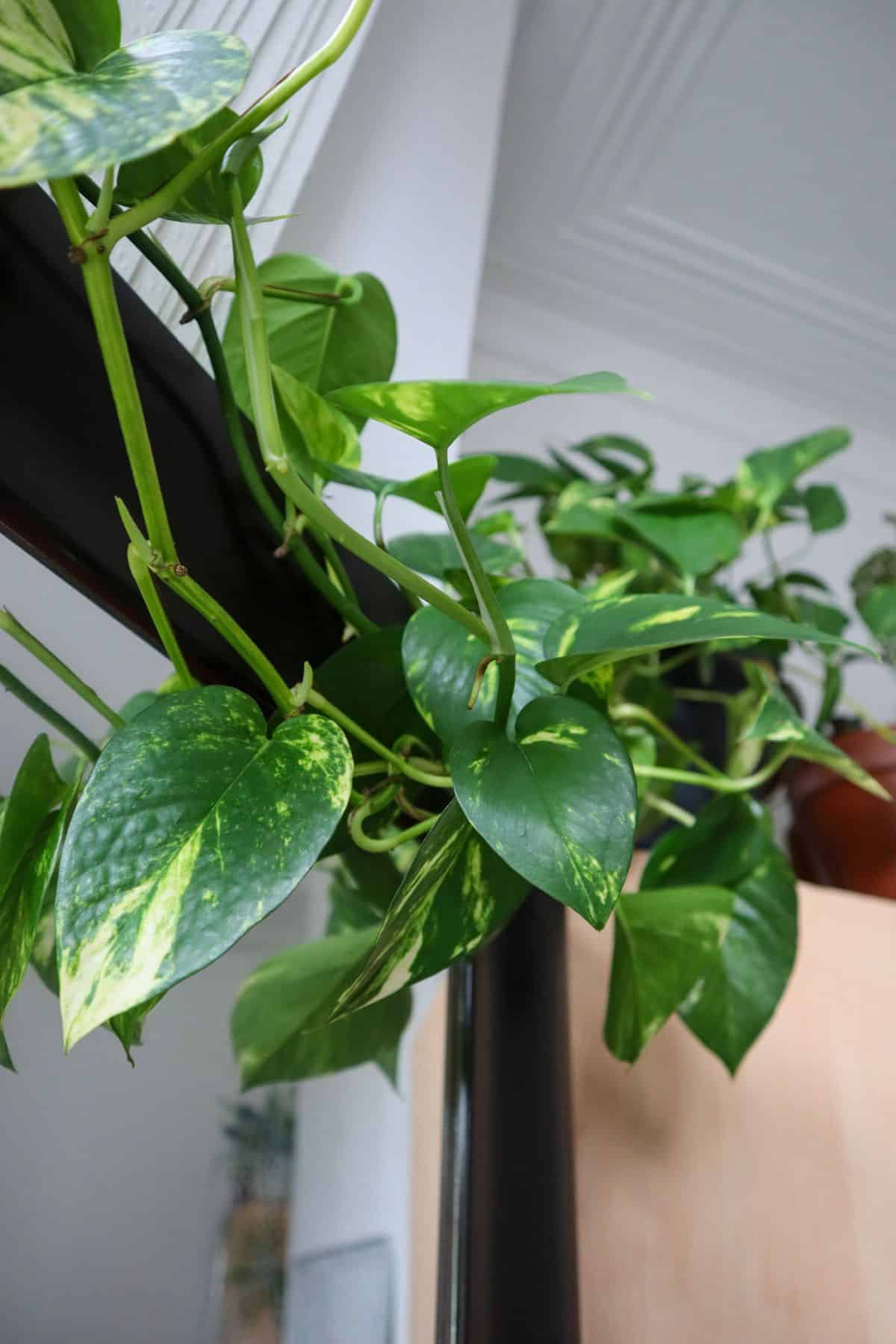
And there are plenty of fun colors and variegated types of Pothos to explore.
Some varieties have short leaf internodes (meaning the distance between each leaf on the stem is shorter), leading to a bushier plant. Conversely, some varieties have longer leaf internodes, meaning they grow across a larger distance.
If you want a bushier plant, an Njoy Pothos is a nice choice; if you want a longer vine, you could go for a Neon Pothos.
Check out my guide to Pothos in terrariums for a deeper breakdown on what works (and what doesn’t).
4 | Philodendron verrucosum
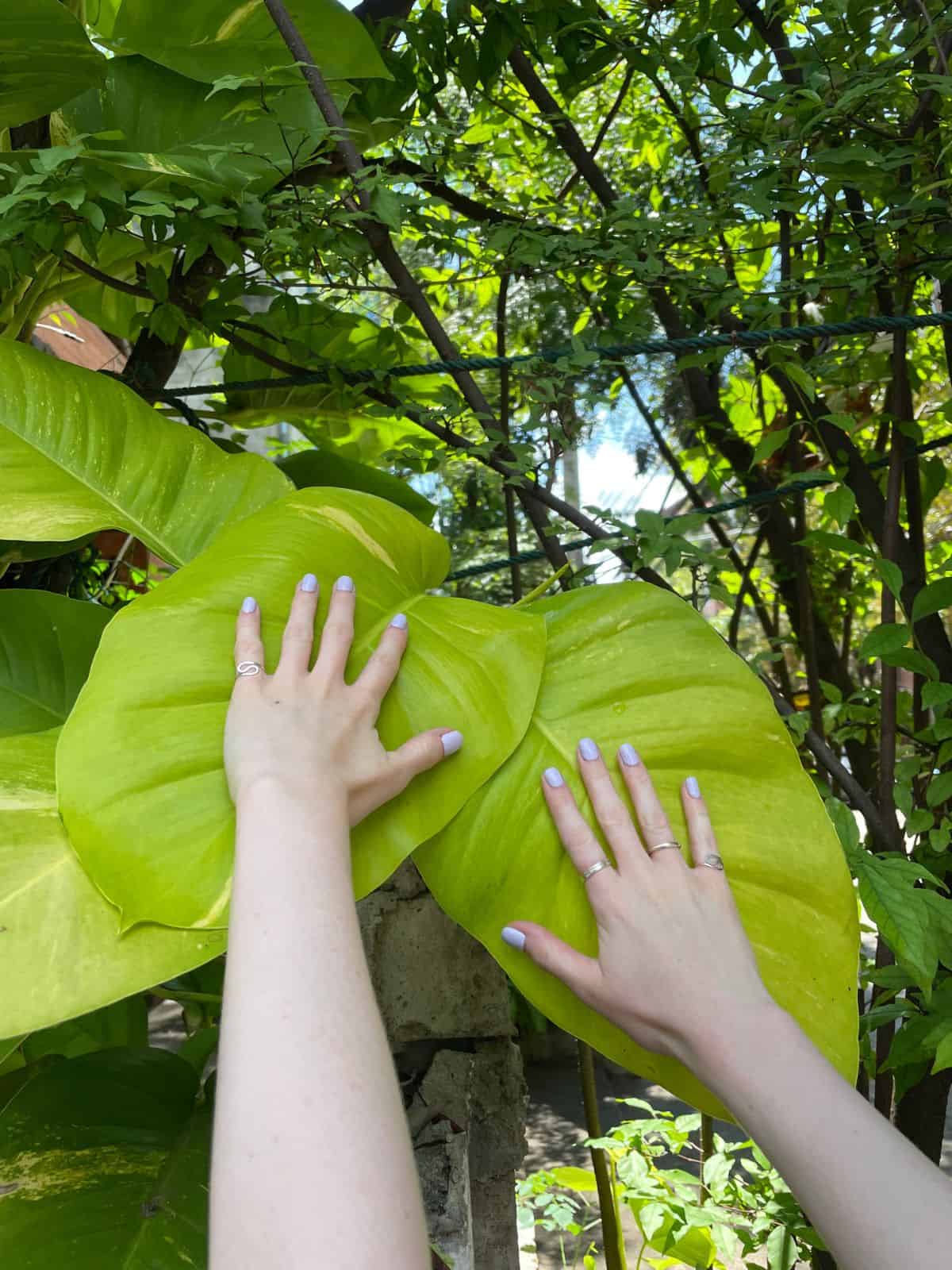
Philodendron verrucosum will make an exceptional terrarium centerpiece.
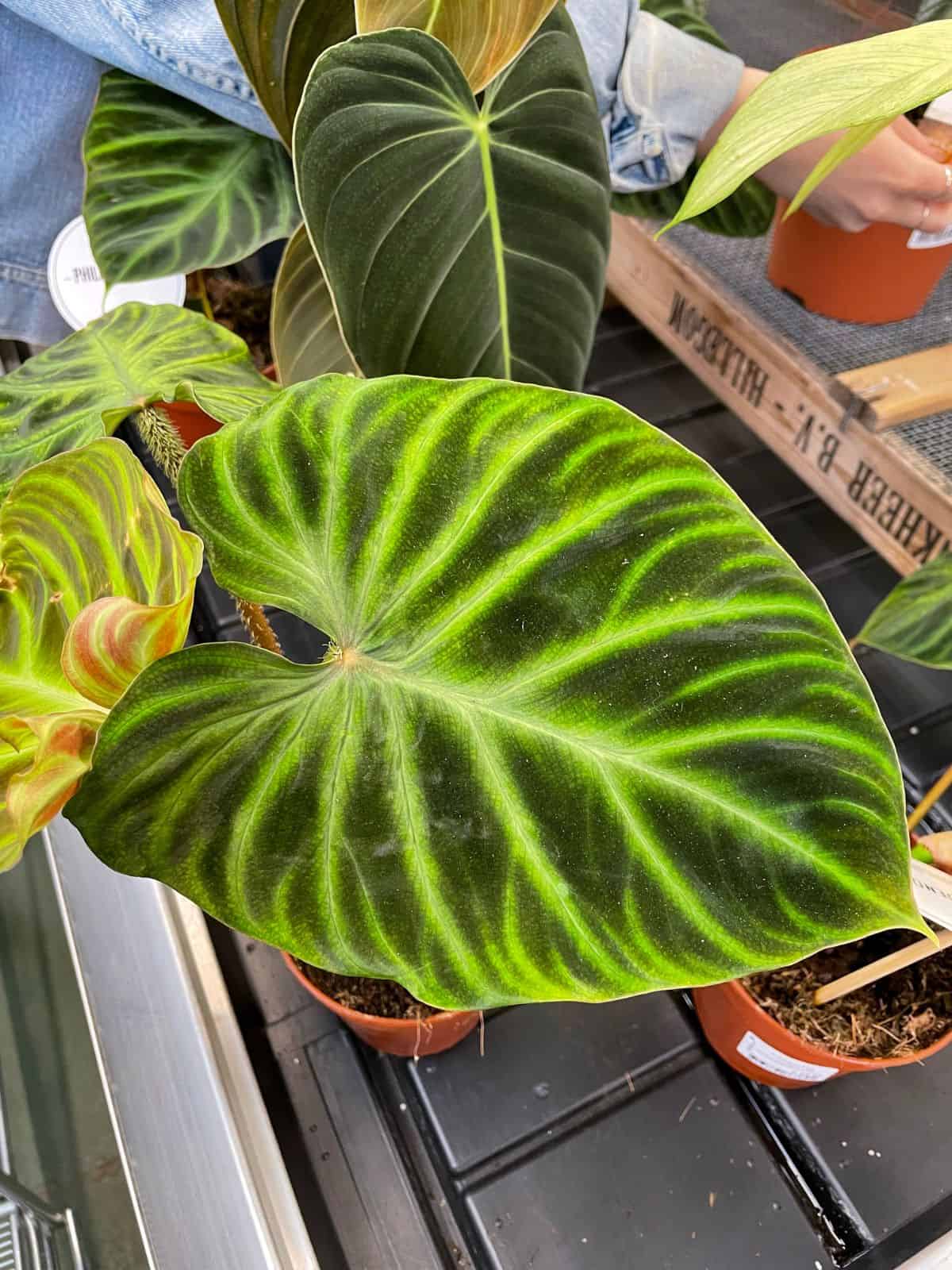
Native to warm, humid Ecuadorian jungles (hence its common name: the Ecuador Philodendron), it’s ideal for a terrarium environment.
But it does get big – so definitely more of a niche pick as far as Philodendron in terrariums go.
5 | Alocasia Stingray
My favorite plant of all time is the stunning Alocasia macrorrhizos ‘Stingray.’
Mine is my pride and joy, and due to its size, I’ve not had the chance to brag about it on the blog… till now!
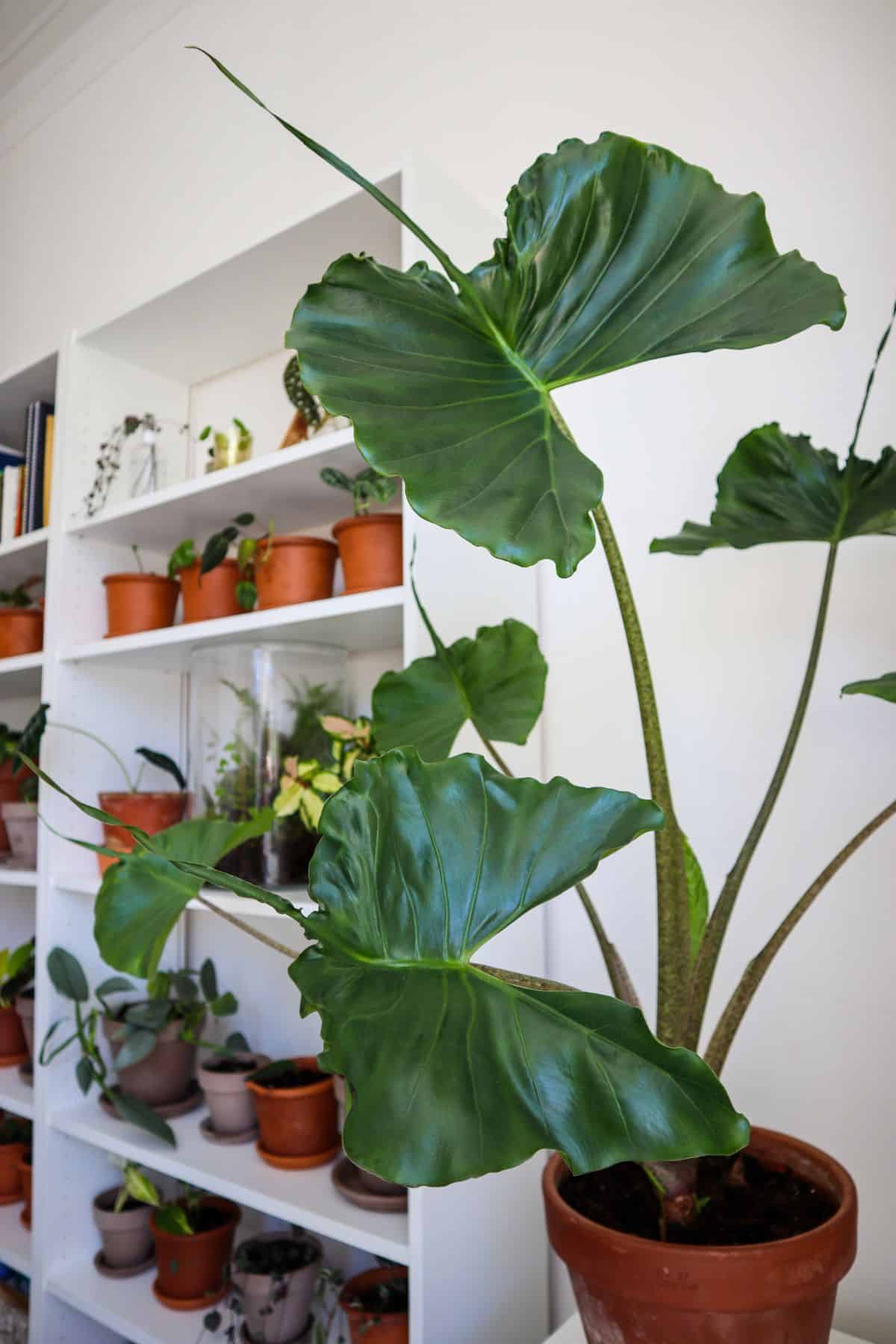
It goes without saying it’ll need a large container, but aside from that, it’s a moisture-lover and a great fit for terrariums.
Because Alocasias sacrifice old leaves for new growth, they’ll do best with regular maintenance to remove leaves that are on their way out and a bioactive setup to clear up any remaining decaying residue.
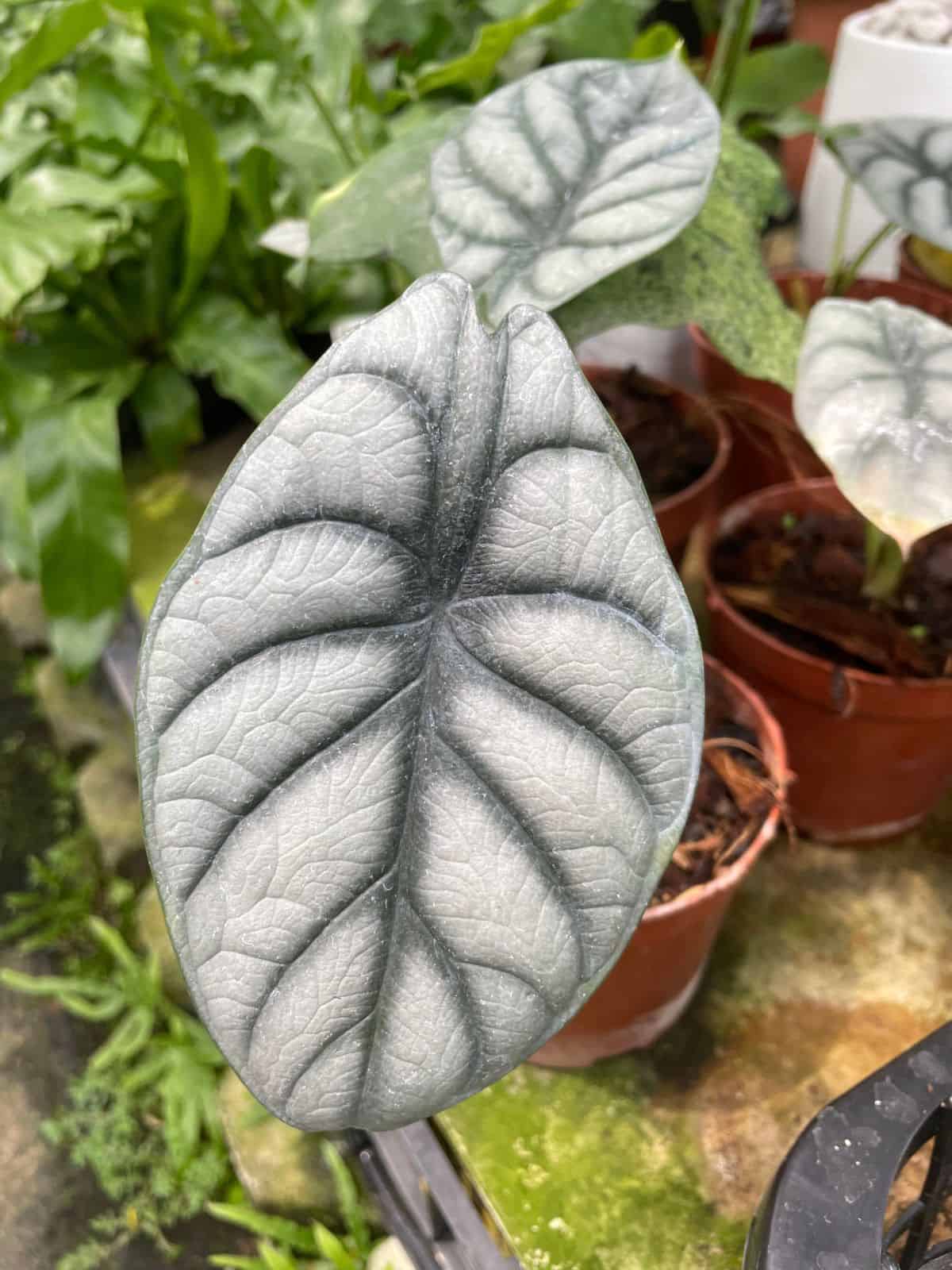
Need something more medium-sized? You could go for a Jewel Alocasia, such as an Alocasia reginula or an Alocasia maharani.
6 | Mini Monstera
There’s nothing mini about the Mini Monstera, which, if you didn’t know, isn’t a type of Monstera at all.
Its scientific name is Rhaphidaphora tetrasperma.
While the leaves themselves will never grow beyond a modest size, it’s an aggressive climber, and just a little cutting or two will really grow into a terrarium in no time.
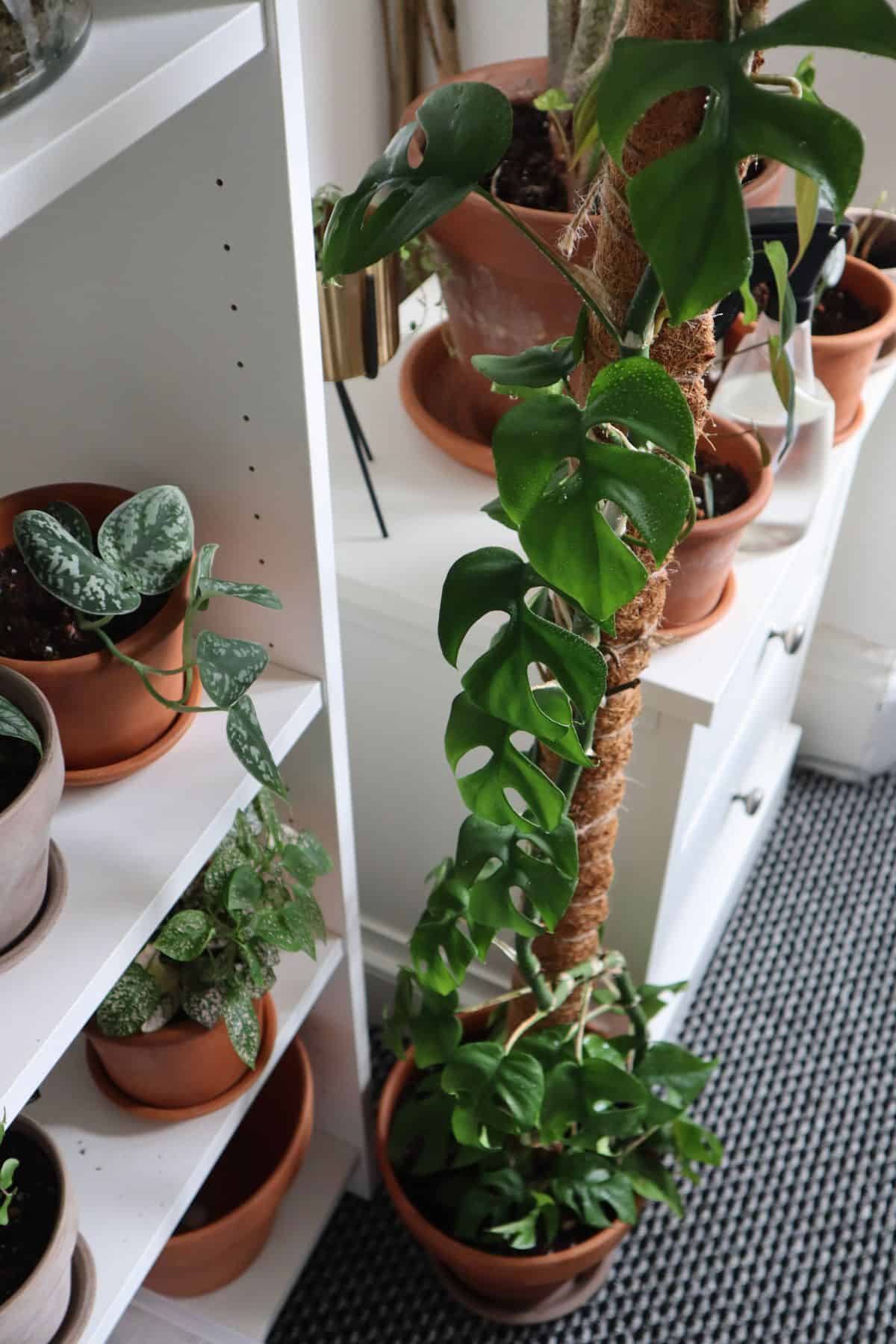
In a terrarium, it’ll shine with several little plants planted at the bottom of a terrarium background and allowed to climb up, creating a bushy green backdrop.
Check out our deep dive for more help with Monstera in terrariums.
7 | Fishbone Prayer Plant
Just like our previous plant, this one is not from the genus you’d expect, and it has a total mouthful of a scientific name too.
Despite being commonly known as the Fishbone Calathea, this plant is actually a Ctenanthe; more specifically, its full name is Ctenanthe burle-marxii.
How terribly fancy!
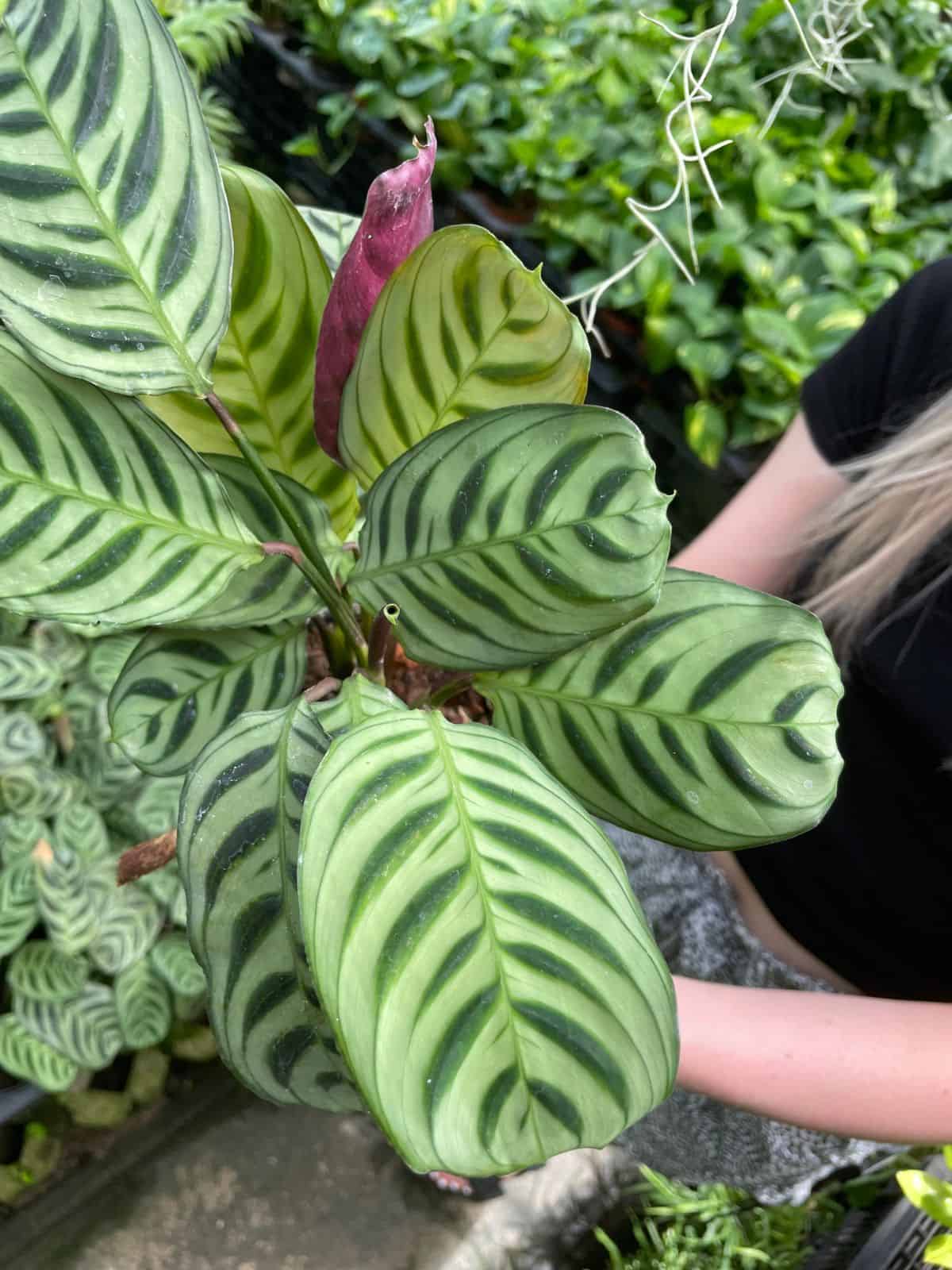
This plant will brighten up the lower section of any big installation or dazzle as the main event in a medium-sized container.
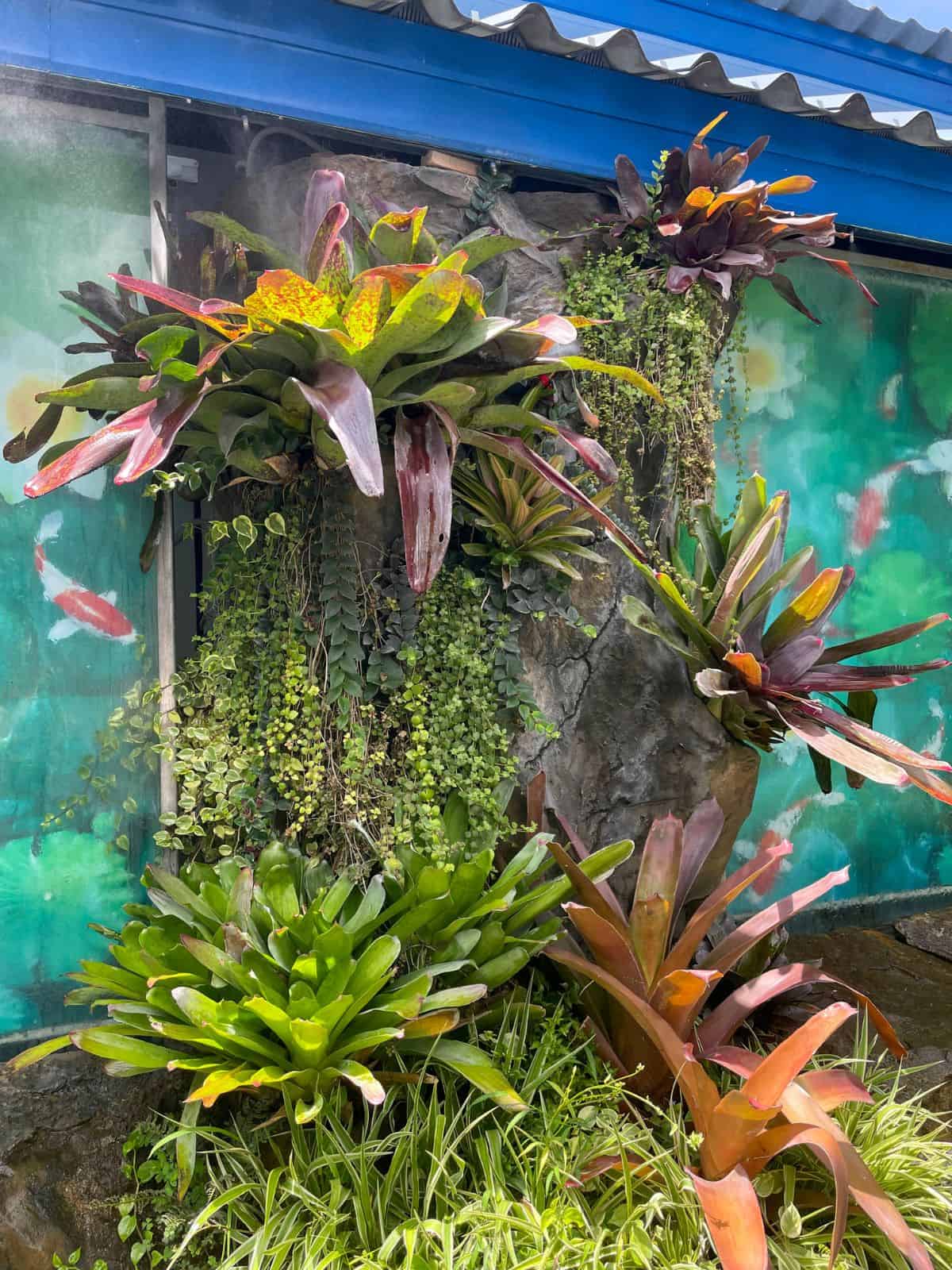
8 | Bromeliad
No plant screams “vivarium” quite like a Bromeliad.
(Somewhat) closely related to pineapples, this spiky, colorful plant family has a ton of large terrarium plant potential.
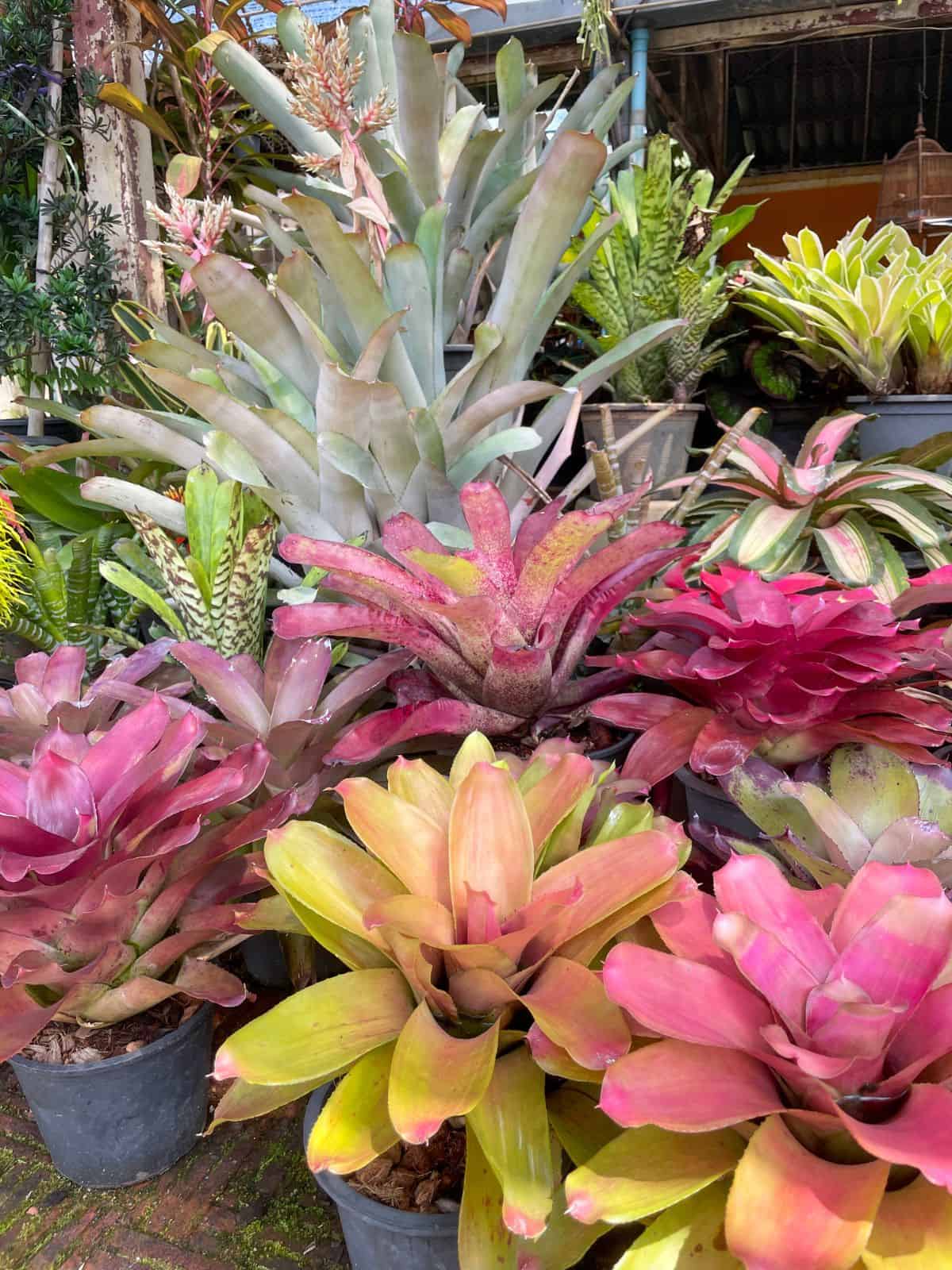
Some Bromeliads will need to be planted terrestrially, and some are epiphytic, so there’s a lot of room for you to use and style them as you like.
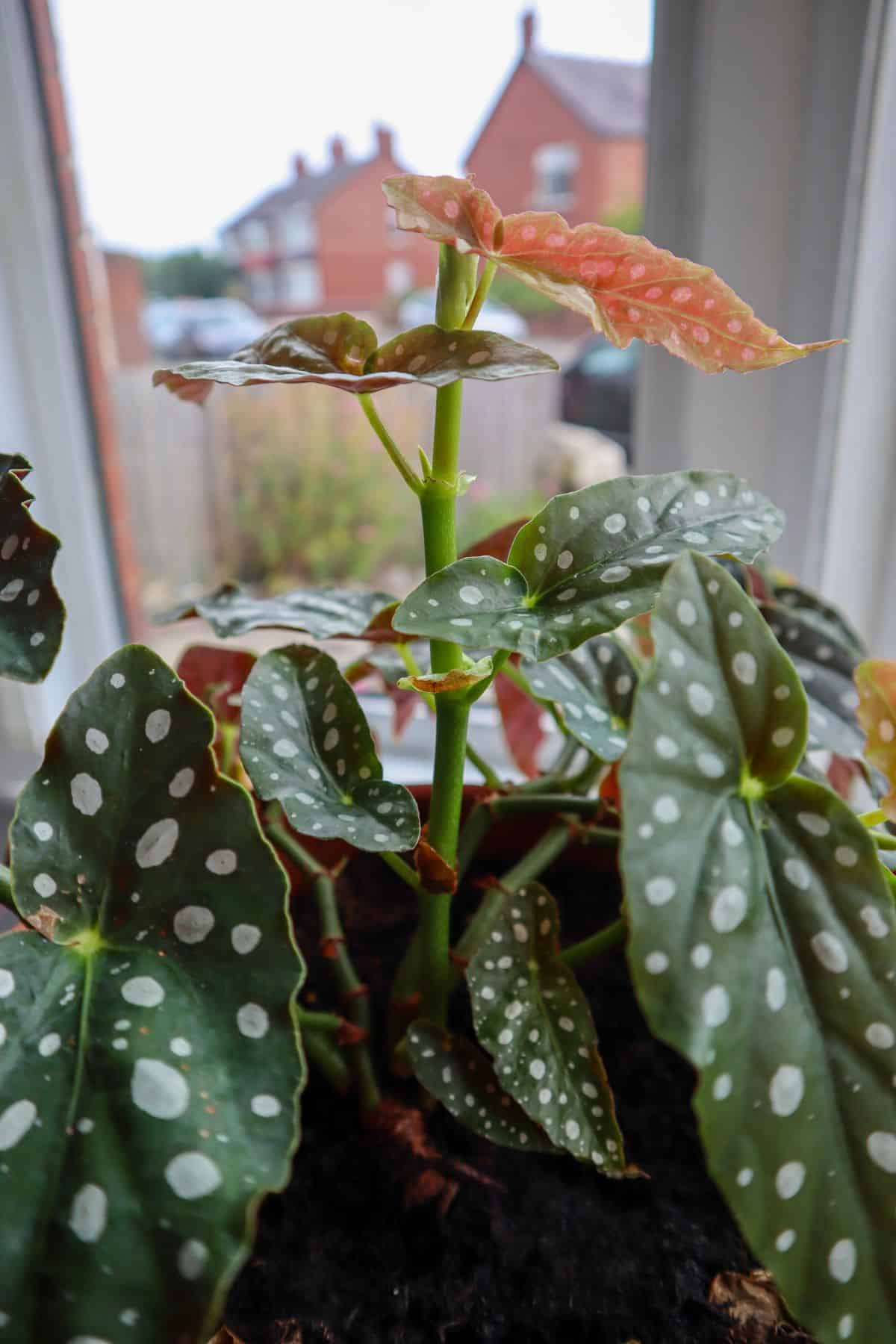
9 | Begonia Maculata
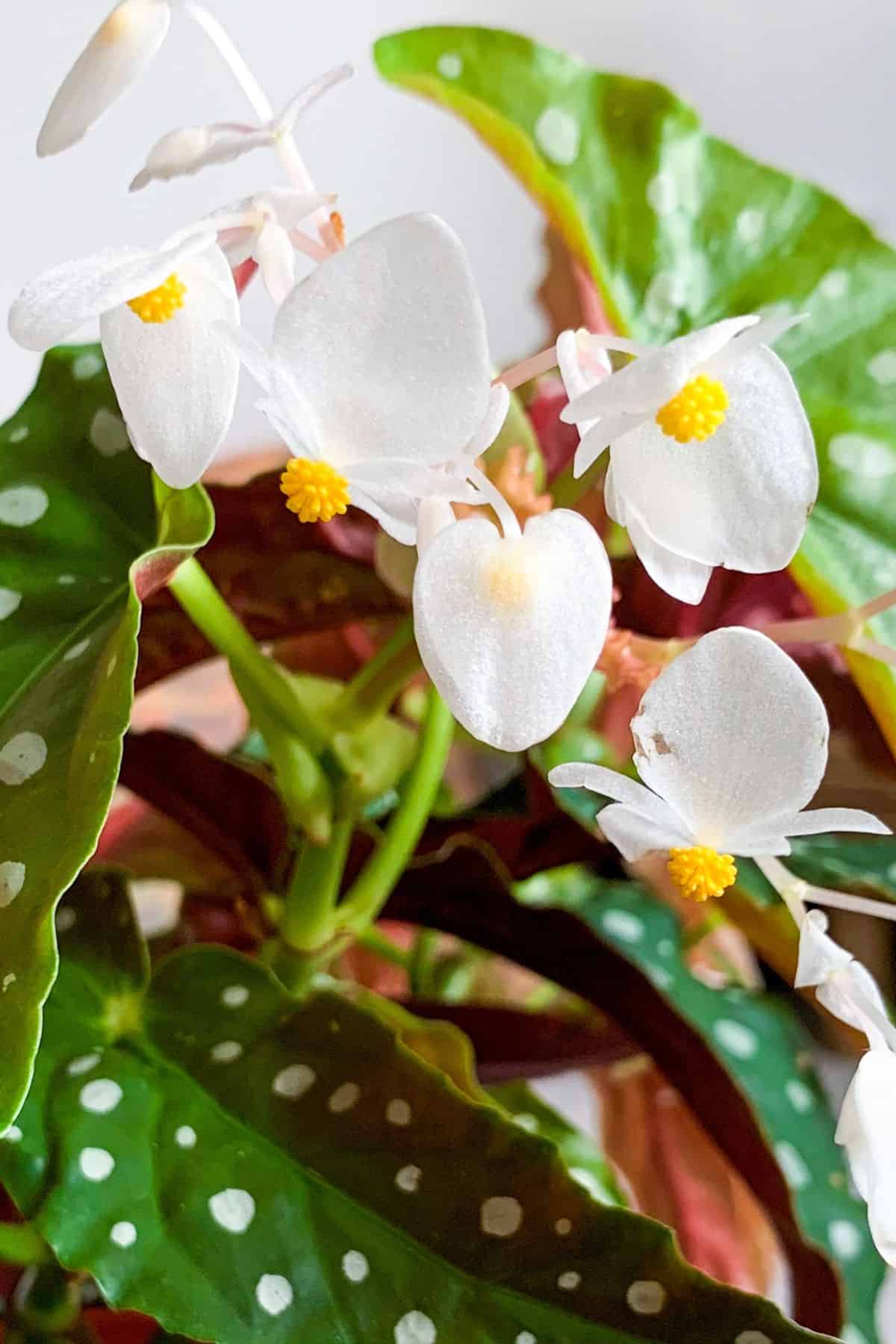
The stylish Polka Dot Begonia has taken over the houseplant world, and it’s about time it took over the terrarium world, too.
While it’s often kept quite manicured, with some plants being trimmed to keep them smaller and large plants often tied to a pole for support to keep them growing in a particular direction, it looks amazing when left to grow to its own bushy devices in a large terrarium container.
Because it’s a flowering plant, you’ll need to keep your eye on it. Remove any dropped petals, and have a well-established clean-up crew.
Making the Right Plant Choices at Scale
When you start working at this scale, plant choice matters even more than usual.
Large terrariums give you more room to experiment, but it also means plants have more room to show their true colours. Fast growers get big quickly, aggressive plants start to dominate, and small mistakes don’t stay small for long.
If you’re ever unsure whether a plant is a good long-term fit (not just in terms of size, but growth habit, humidity tolerance, and how it behaves in a closed system), our terrarium plants guide walks through how to make those calls with a bit more confidence.

Is dieffenbachia an option for a large terrarium?
That would be a great choice!
How did you get the stingray alocasia that large, and how long did it take to get it that large? I didn’t even think that they could get that large, I’ve only seen tiny ones online. I’ve been seriously considering getting a stingray (I love alocasias, my personal favorite I have is an Alocasia polly).
Thank you for the wonderful articles! I’ve learned a ton of information from y’all. 🙂
Only about a year and a half! I think our secret was having a super humid (somewhat moldy) old flat at the time. 😂