

The appropriately named “Florida Fast Isopod” really delivers on its promises.
Honestly, nothing even comes close to the natural speed of Atlantoscia floridana isopods. They’re so fast it’s hard to keep your eyes on them as they dart around.
So maybe not the best isopod species for handling (unless you have the hand speed of Bruce Lee).
But as a bioactive cleanup crew on steroids? Yes, I think I will.
Find out how to care for and culture these absolute speed demons and how to put them to good use in a terrarium setup.
Hit the gas – let’s gooo!
A Quick Intro to Florida Fast Isopods
Unsurprisingly, Florida Fast Isopods are indeed native to the Sunshine State of Florida.
Though, they’ve since found their way south to a variety of South American countries, all the way from Brazil to Argentina.
So you can probably deduce their preference for climate already – warm and wet.
They’re part of the genus Atlantoscia, and they’re actually the only ones of their kind in the isopod hobby (or at least for now).
To me, Florida Fast Isopods look a little like Dwarf Purple Isopods. Sharing a similar muted grey/purple coloration and a relatively small body, averaging under 1cm in size. Though they are much thinner, maybe it’s aerodynamics at play.
Here’s why you should consider them for your next project.
- Being of tropical origin, they’re a natural fit for terrariums and vivariums.
- Much like the Dwarf White and Dwarf Purple Isopods, they establish and reproduce incredibly fast.
- They are excellent bioactive custodians, making short work of organic material.
- As a soft-bodied species, they can also serve as a good feeder insect for the right vivarium animals (if they can catch them!).
Next up, we’re switching gears and exploring how to best care for these speedy critters.
Florida Fast Isopods Care
These are relatively small isopods, so you can definitely get started with a standard 6-quart container. Just note, their rapid reproduction rate may necessitate an upgrade later down the line…
[image] I’d start with something like this inexpensive vented container on Etsy.
Now, as you might expect from Floridian natives, these critters like it warm, humid, and moist.
So, choosing an isopod soil mix with a healthy amount of moisture retention will help a lot in boosting humidity and maintaining those conditions. I’d also add a high degree of earthworm castings to provide plenty of that, along with some consistent nutrients.
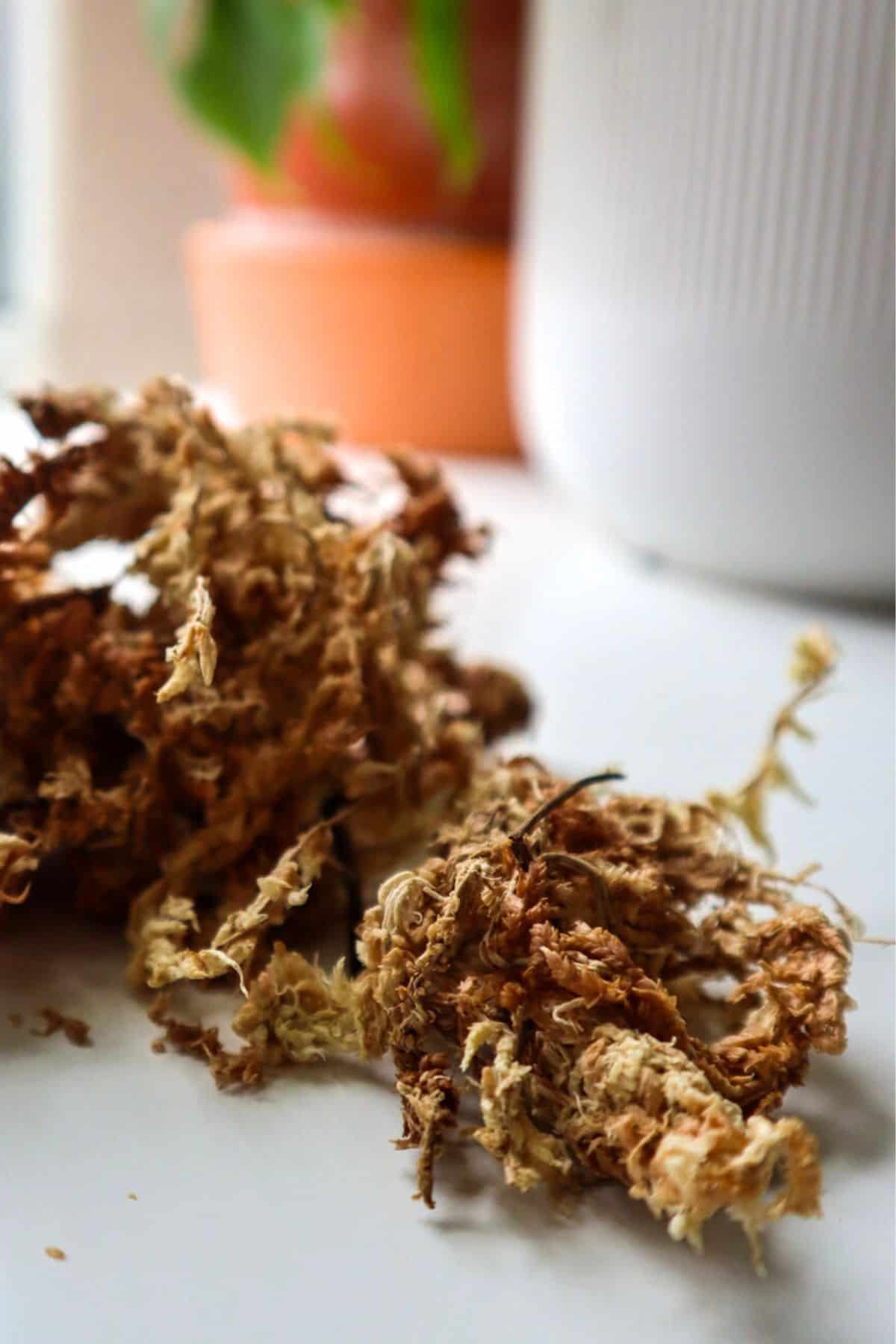
Next, a large “hydration area” of sphagnum moss can help here, too.
Sphagnum moss is the best material for holding onto water, so you can use it liberally in one corner of the container that will stay wetter than the rest.
That said, you don’t need a steep moisture gradient here – you can go ahead and mist the whole enclosure.
Pro tip: A super moist substrate can lead to mold and pest issues. Consider culturing them with our springtails to help keep mold in control).
Finally, be sure to add some cork bark chunks to your setup to give your isopods some static hiding places, too.
Food
Florida Fast Isopods respond well to the classic isopod diet of decomposing wood, organic substrate material, and leaf litter.
So feeding Atlantoscia floridana isopods seems to be very straightforward – just keep the leaf litter plentiful and flowing!
That said, I do think it’s best to add some calcium supplementation, too. So, throw a few crushed eggshell bits in there every now and again for good measure.
Breeding
These isopods are naturally prolific breeders.
A 2005 population study1 on Atlantoscia floridana said, “Its most remarkable characteristic is its high reproductive investment.” It also found that “reproduction is considered continuous; however, reproduction peaked during autumn and spring.”
So, that’s helpful to know when to expect a population boom.
Crossing the Finish Line
Alright, that’s a wrap on this speedy run-through of the Florida Fast Isopods.
How do these isopods stack up for you?
If you need bioactive alternatives, you might also want to check out our isopod species guide or go ahead and browse our collection of bioactive terrarium bugs we have for sale.
References
- https://www.sciencedirect.com/science/article/abs/pii/S1146609X05000640 ↩︎
