

Dairy Cow Isopods are arguably the go-to species for beginners and experienced keepers alike – and for good reason.
Long favored for their mottled black-and-white coloration and incredible bioactive potential. They’re a perfect blend of isopod aesthetics and functionality.
In three words: Big, bold, and hungry.
Honestly, there’s nothing like a tiny herd of Dairy Cow Isopods to lift your moo-d. This guide is built around the setup choices that actually keep Dairy Cow Isopods thriving long-term.

A Quick Introduction to Dairy Cow Isopods
Porcellio laevis ‘Dairy Cow’ has a lot in common with their bovine namesakes.
They’re large, black, and white all over, and they have quite the appetite – which, of course, we can put to great use as a cleanup crew in a terrarium or vivarium.
Growing to nearly 2cm, that extra mass takes some serious feeding and allows them to process significant amounts of organic matter. If you need a heavy hitter to clean up large amounts of waste, this is your man.
Dairy Cows are a color morph of Porcellio laevis, a species so widely distributed that it’s considered “cosmopolitan” – found across multiple continents in both wild and human-influenced environments.
Their adaptability is part of why they’ve become such a staple in captivity.
And that characteristic spotted pattern? It’s an expression of what’s commonly referred to as the “Dalmatian gene,” which influences a range of high-contrast morphs across different species.

You’ll see related patterning in the smaller-spotted Dalmatian morphs, as well as in other spotted varieties kept in the hobby.
But here, we’re focusing on the classic Dairy Cow Isopod – large-bodied, high-contrast, and unapologetically hungry.
Where Dairy Cow Isopods Shine
There are a few clear reasons why Dairy Cow Isopods have become such a staple in the hobby.
- Bioactive beasts – Dairy Cow Isopods are absolute machines when it comes to processing organic waste material and enriching soil. They’re fantastic substrate aerators too, so they have a huge positive impact on the overall health of a terrarium or vivarium.
- Fast, reliable breeding – Given warmth, moisture, and food, they establish rapidly and reproduce with real… enthusiasm. A small starter group can become a robust colony in a short time, which is ideal for bioactive systems, but worth planning for.
- Affordability and availability – As one of the foundational isopod species in the hobby, Dairy Cows are easy to source and typically very accessible price-wise. That makes them an excellent entry point without sacrificing performance.
Their size and calcium-rich exoskeleton also mean they’re sometimes used as a supplemental feeder species in reptile enclosures.
How to Care for Dairy Cow Isopods
Habitat
Dairy Cow Isopods are one of the larger species on the market, so you’re going to need a reasonably sized container to culture them.
A large Tupperware box with some is a common and affordable option to get started with. You’ll need to create some holes for ventilation if it doesn’t have any already.
Just note, it’s always better to punch the holes in the sides rather than the lid to get some proper airflow going.
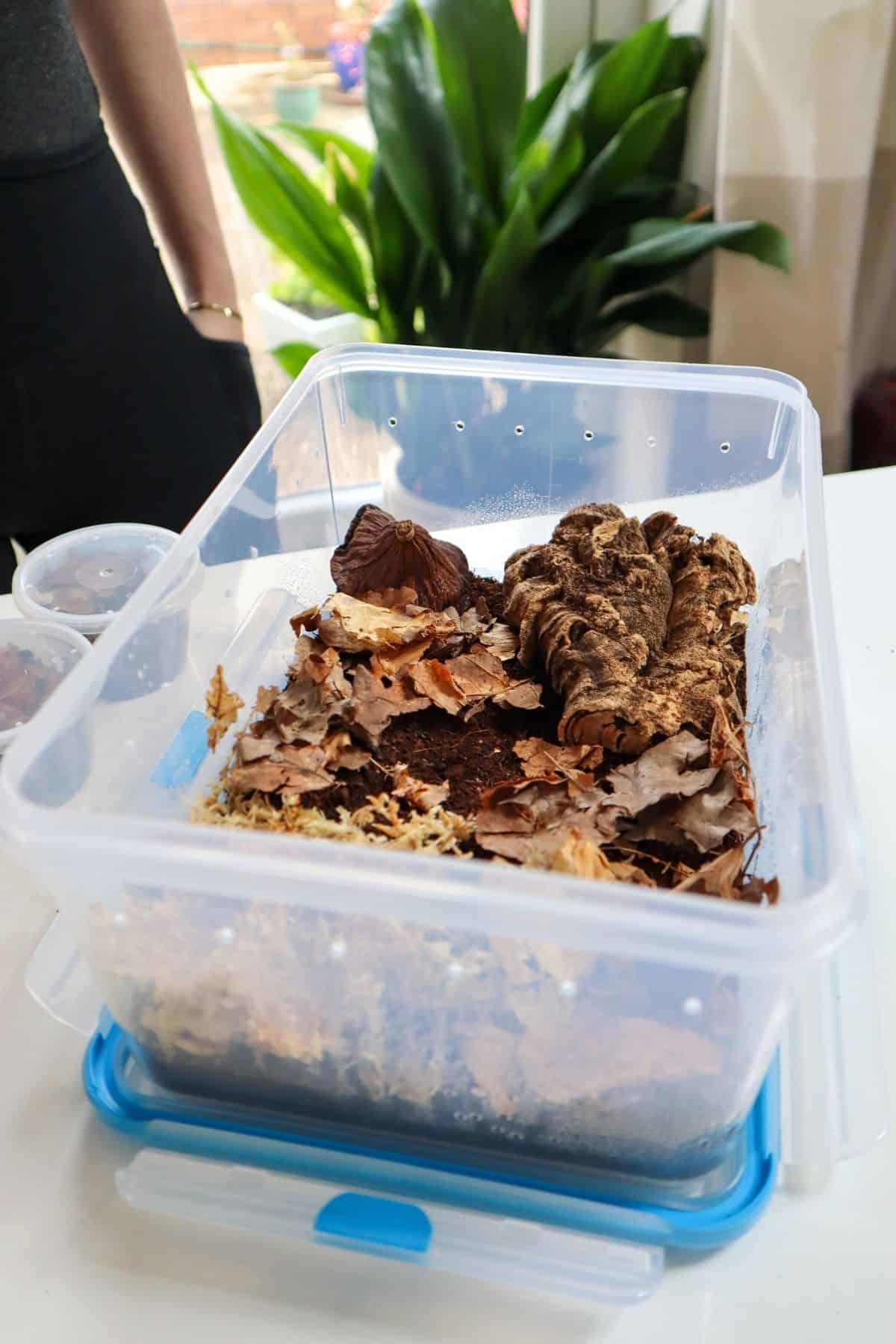
To be able to achieve a minimum substrate depth and have ventilation holes on the side that are out of reach from the isopods, you’ll need a box of about shoebox size or more.
Naturally, a dedicated vivarium ecosystem or large plant terrarium setup should have everything a Dairy Cow Isopod population needs to thrive – especially larger containers where they have lots of space and nutrition to enjoy.
As to what to put in it? Cork bark is always a winner.
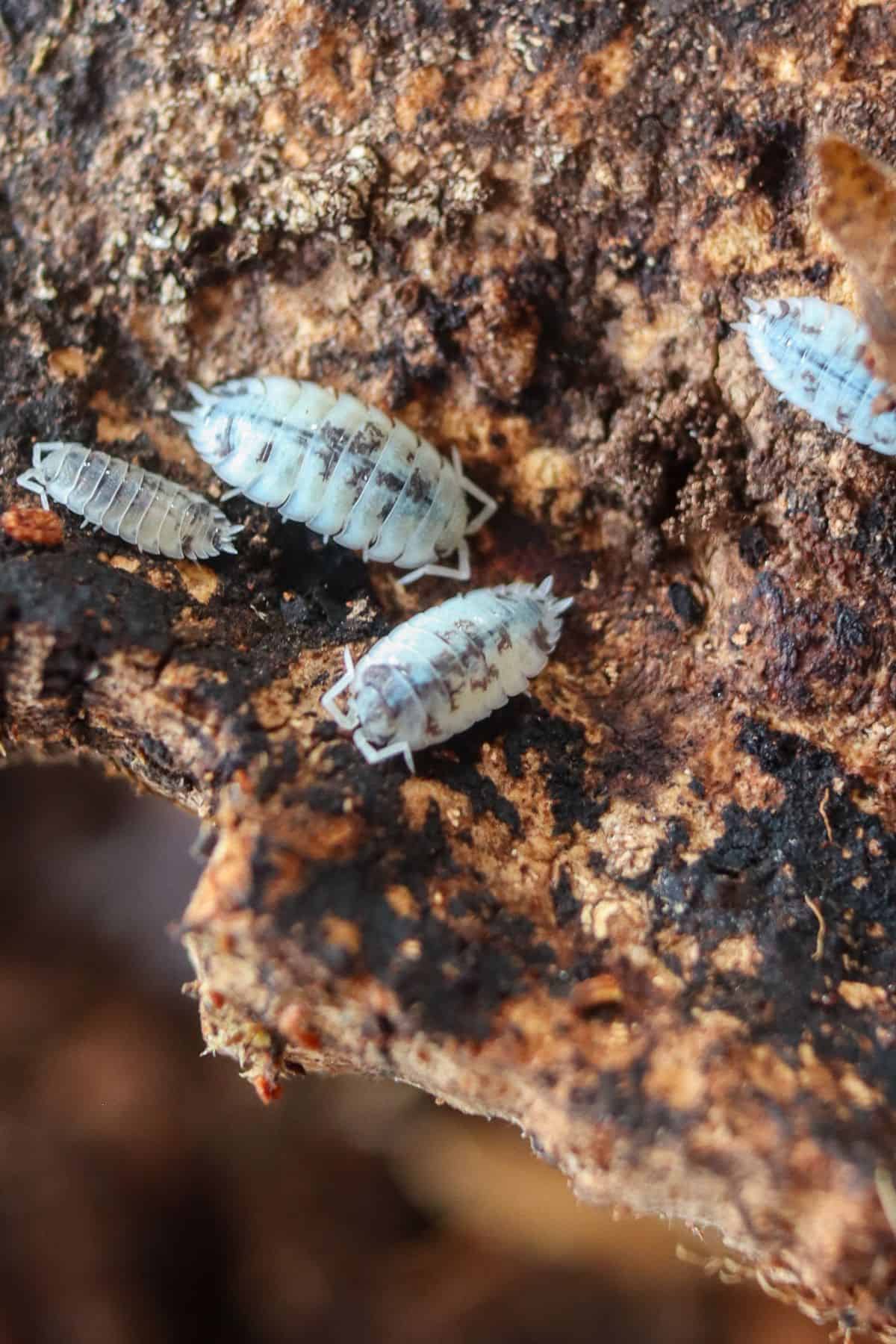
It’s all-natural, water and mold-resistant, and isopods love it. Seriously, it’s where Dairy Cow Isopods like to hang out like 90% of the time. I’d definitely recommend at least one chunk.
They’re actually a pretty shy species, and I find they spend most of their time hidden throughout the day. You’ll see them a lot more active at night.
Substrate
In a bioactive setup, I always run with a well-balanced tropical blend with plenty of moisture retention, aeration, and drainage.
A version of ABG mix will have everything you need to support a healthy plant biome and all your microfauna custodians.
Sphagnum moss and orchid bark help to keep your crustacean critters moist (they’ll perish if they dry out!) and keep the humidity high.
Also, I like to always include the addition of earthworm castings as organic nutrients for plants and microfauna.
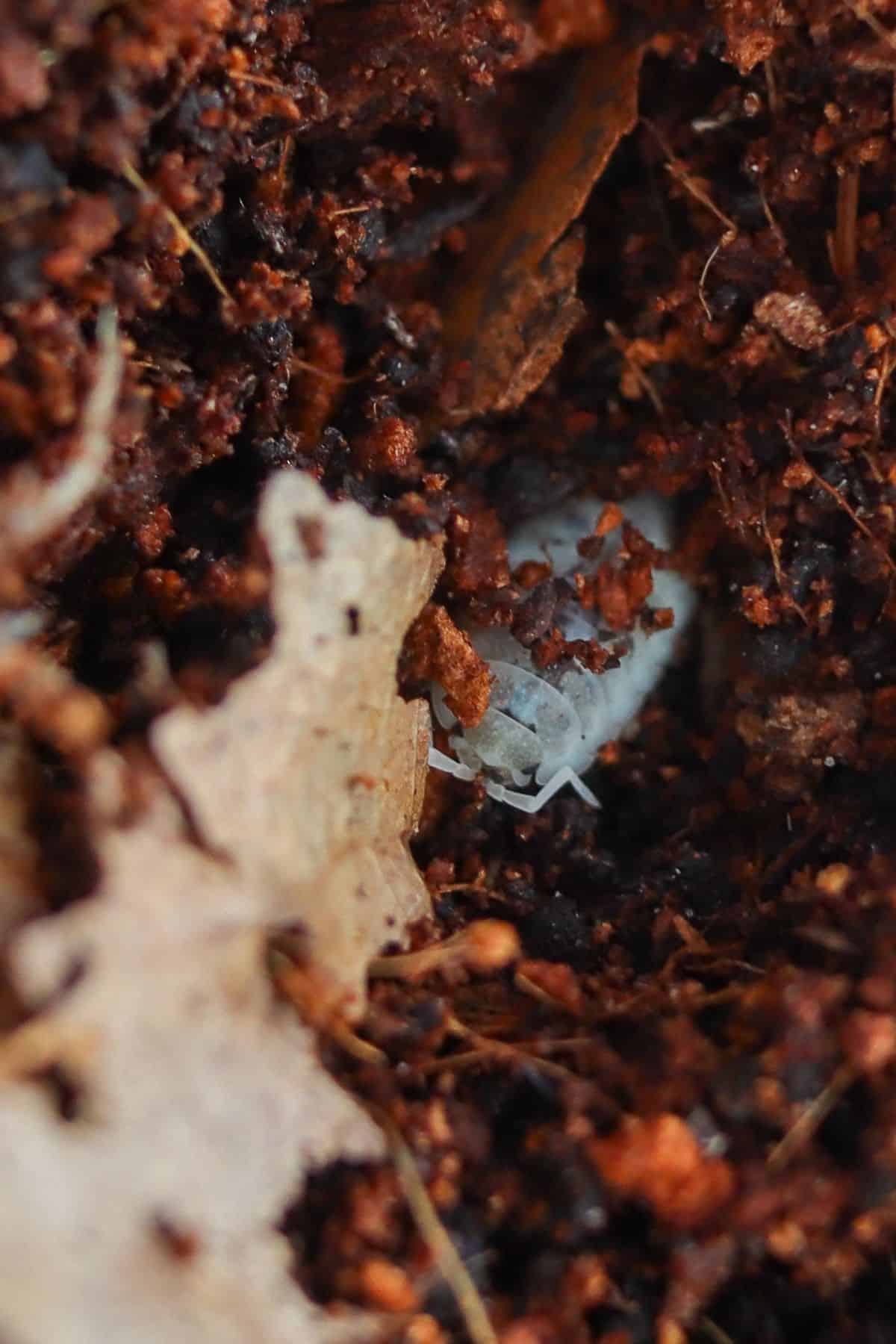
When culturing in isolation, you can simplify the mix quite a lot. I like to use just coco coir, sphagnum moss, and worm castings as the base (with plenty of leaf litter, of course).
Temperature and Humidity
Dairy Cow Isopods like a warm and humid environment, which is what makes them such a great fit for terrariums.
That being said, they’re actually a pretty hardy species.
Many keepers report culturing them at room temperature with no issues, but anything in the region of 70-85°F (21-30°C) works a treat.
Humidity is much more important, as isopods need a consistent level of moisture to survive.
Aim for as much humidity as possible, 80%+ if you can.
That being said, there’s no need to fret. If you have everything set up right in a suitably moist closed environment, using a moisture-retentive substrate, and with enough warmth, you’ll be absolutely fine.
What to Feed Dairy Cow Isopods
These guys love to eat.
To be honest, they’re actually pretty bullish about it!
As one of the more aggressive isopod species, they would almost certainly out-compete any smaller species if they were to share a tank (so it’s not recommended).
Due to the voracious appetite of the Dairy Cow Isopods, you’ll need to supply plenty of detritus (decaying organic material) ingredients and supplementary foods.
Also, extra protein supplementation is essential. They’re a very protein-hungry isopod. Dairy Cow Isopods can reportedly turn to cannibalism if their protein needs aren’t met!
Food Requirements (+ Examples)
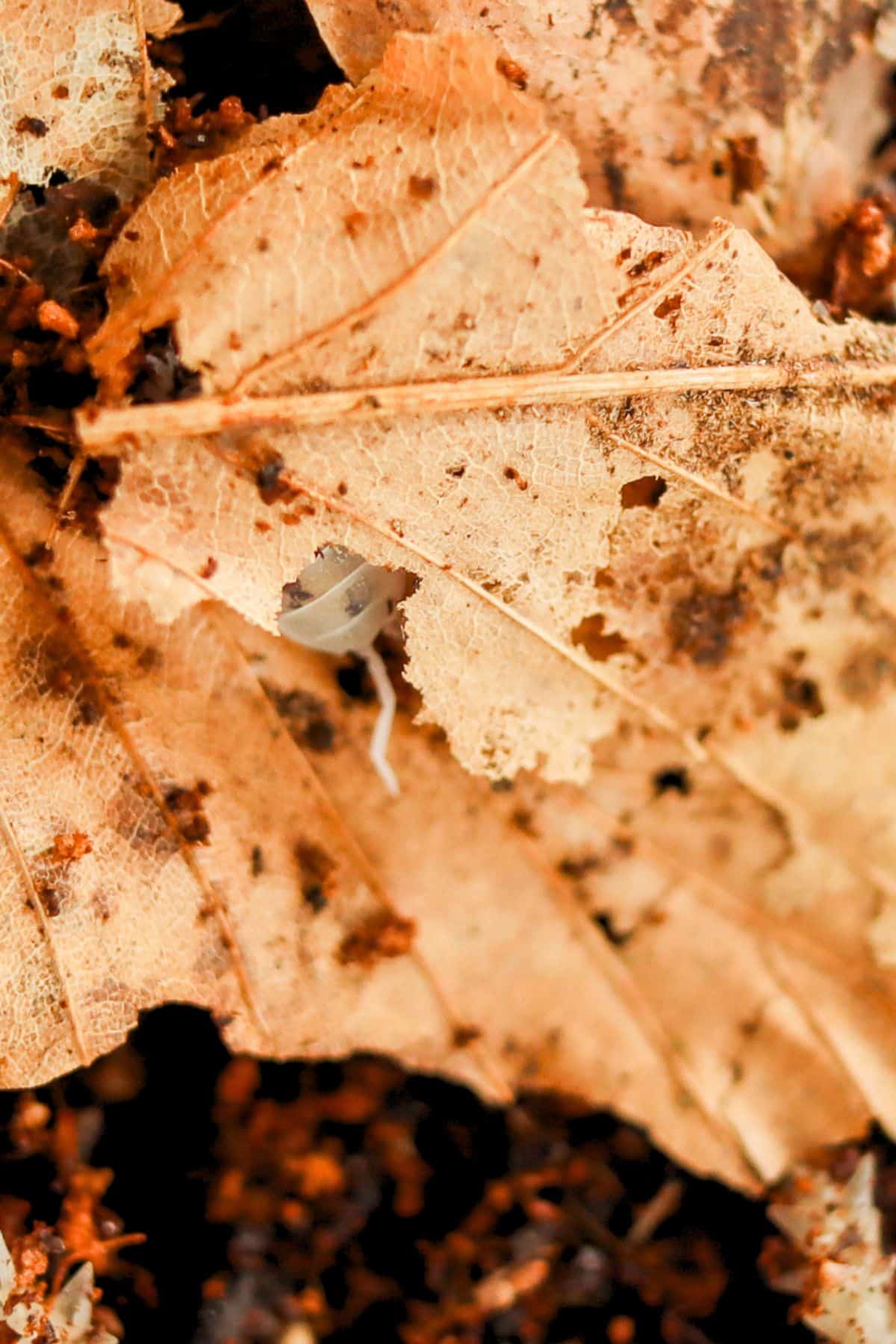
- Detritus – A consistent supply of leaf litter and decaying softwoods is essential to keep the isopod population ticking over.
- Vegetable – Pretty much any vegetable scraps seem to be well received, though sweet potato and mushrooms are reported to be their favorites.
- Protein – Fish flakes/pellets are a convenient choice for extra protein. Though the natural size of the Dairy Cow Isopods means you can actually feed them larger protein sources like dried shrimp.
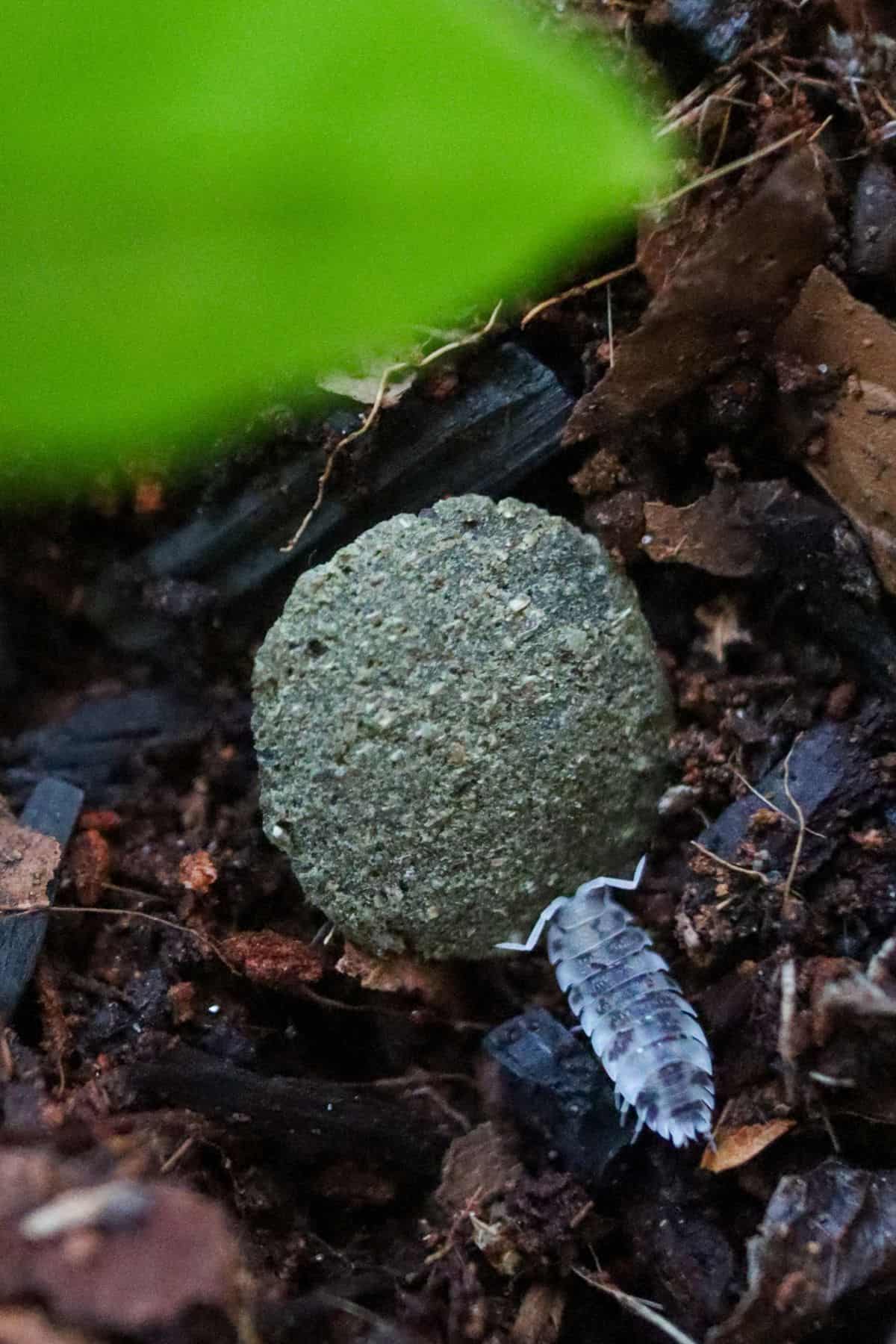
- Calcium – Isopods like Dairy Cows need extra calcium to support the development of their carapace. Crushed eggshells or cuttlefish bones are both great sources that you can add in small amounts.
- Dedicated isopod food – These proprietary blends are optimized for isopod health and are by far the most convenient way to address your feeding needs. We sell our hand-made concentrated isopod superfood for exactly this job.
See my full guide to feeding isopods for more help with nutrition.
Breeding
To be honest, breeding Dairy Cow Isopods isn’t much different from normal isopod care.
The more humidity, moisture, and warmth you can provide (within the safe range, of course), the more likely they are to breed.
That being said, they are prolific breeders.
After just a few weeks of starting a new isopod colony, you can expect to see some babies!
Are Dairy Cow Isopods Right for You?
Dairy Cow Isopods really come into their own in larger, established setups where their size, appetite, and rapid breeding can be put to good use. In smaller enclosures, or where a lighter-touch clean-up crew is preferred, another species may be a better fit.
If you’re still weighing your options, it helps to compare Dairy Cows with other isopod species to see which best fits your setup and goals.

I just bought a start up kit from Rubber Ducky Isopods at a ReptileNation show in Fort Worth, TX today! Decided to google “Dairy Cow Isopods” and this was the first page that popped up! So happy to see that I bought from a recommended source!!
I have had mine for 3 days now. They are master hiders, I never see any of them!
As your population increases you will see more of them running around, but they do still like to hide under things. This is a natural behavior as they are often eaten by larger animals.
Same
How might I deal with a population explosion – ha! I got a few from Rubber Ducky a little while ago, and now have about 50 tiny babies in my tank. They’re super cute, but as they grow they won’t really fit well in there. They share the tank with plants, leaves, bark, moss…a ton of springtails and some other insects who moved in without my permission. Any suggestions on what to do with these new little cows?
A good problem to have! You could try isolating a bunch as a separate backup culture? Or you could always make another terrarium. 🙂
Are these isopods suitable for cohabitation with other Isopods as I wanted to add some zebras of panda kings to the terrarium
Generally no, I wouldn’t mix Cubaris or Armadillidium species with Dairy Cows. They can be quite bullish and will almost certainly outcompete them for food. I’d say only the likes of Dwarf Whites would be able to compete with them for resources and keep up with their reproduction rates.