

Panda King Isopods may share the classic features of their cuddly namesake, but thankfully, they’re a lot easier to breed and care for.
And much, much smaller…
Seriously, they’re a popular isopod for a reason and an excellent entry point into the world of Cubaris isopods. Great for both terrariums and isopod pet cultures.
Some of their new morphs are causing quite the panda-monium in the isopod community too!
In this guide, we’ll cover everything you need to know about Panda King Isopod care – laying it all out in black and white – so you can create a thriving colony of your own.
Terrarium Tribe is reader-supported. When you purchase through links on our site, we may earn an affiliate commission (at no further cost to you). 💜
Meet the Panda King Isopod
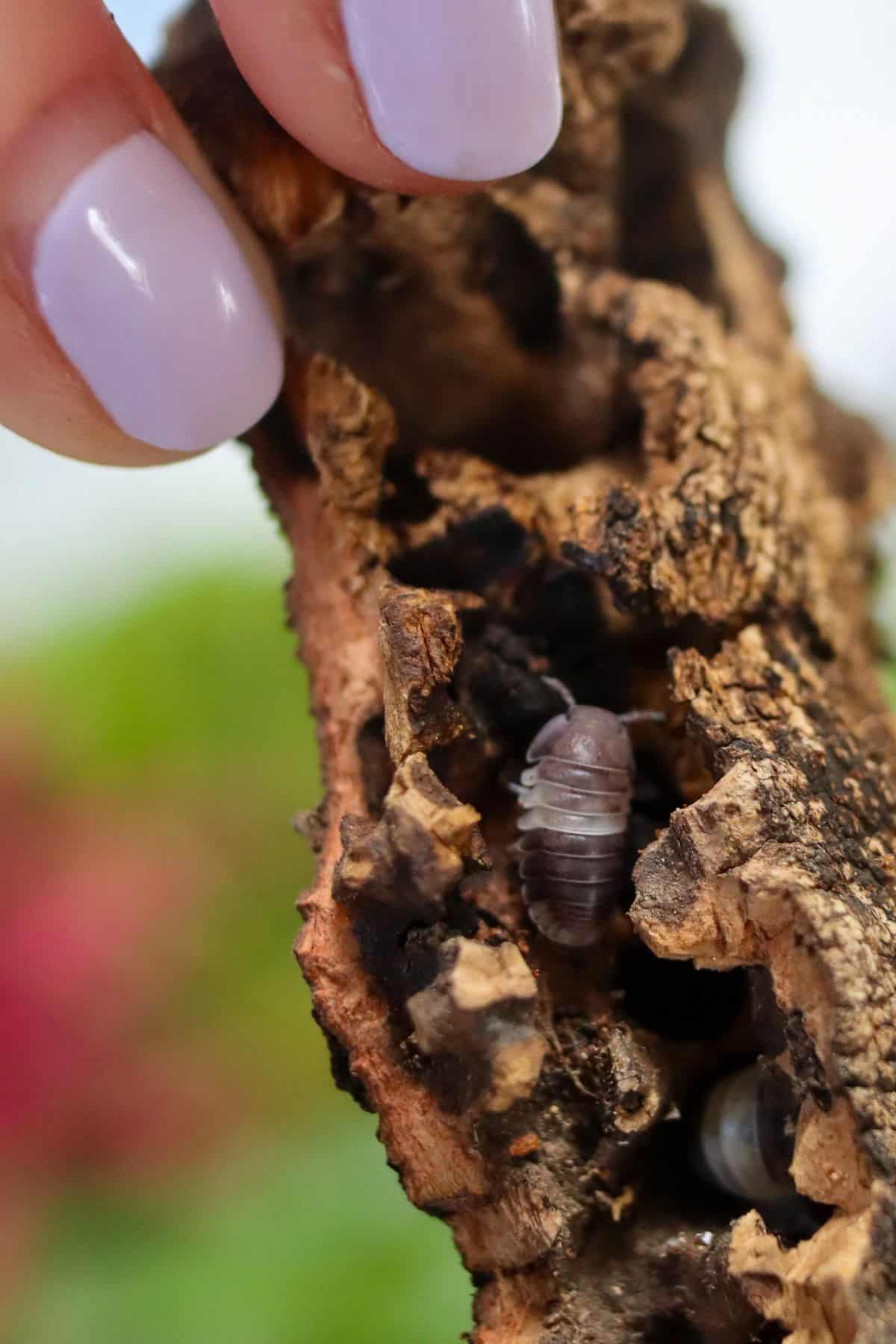
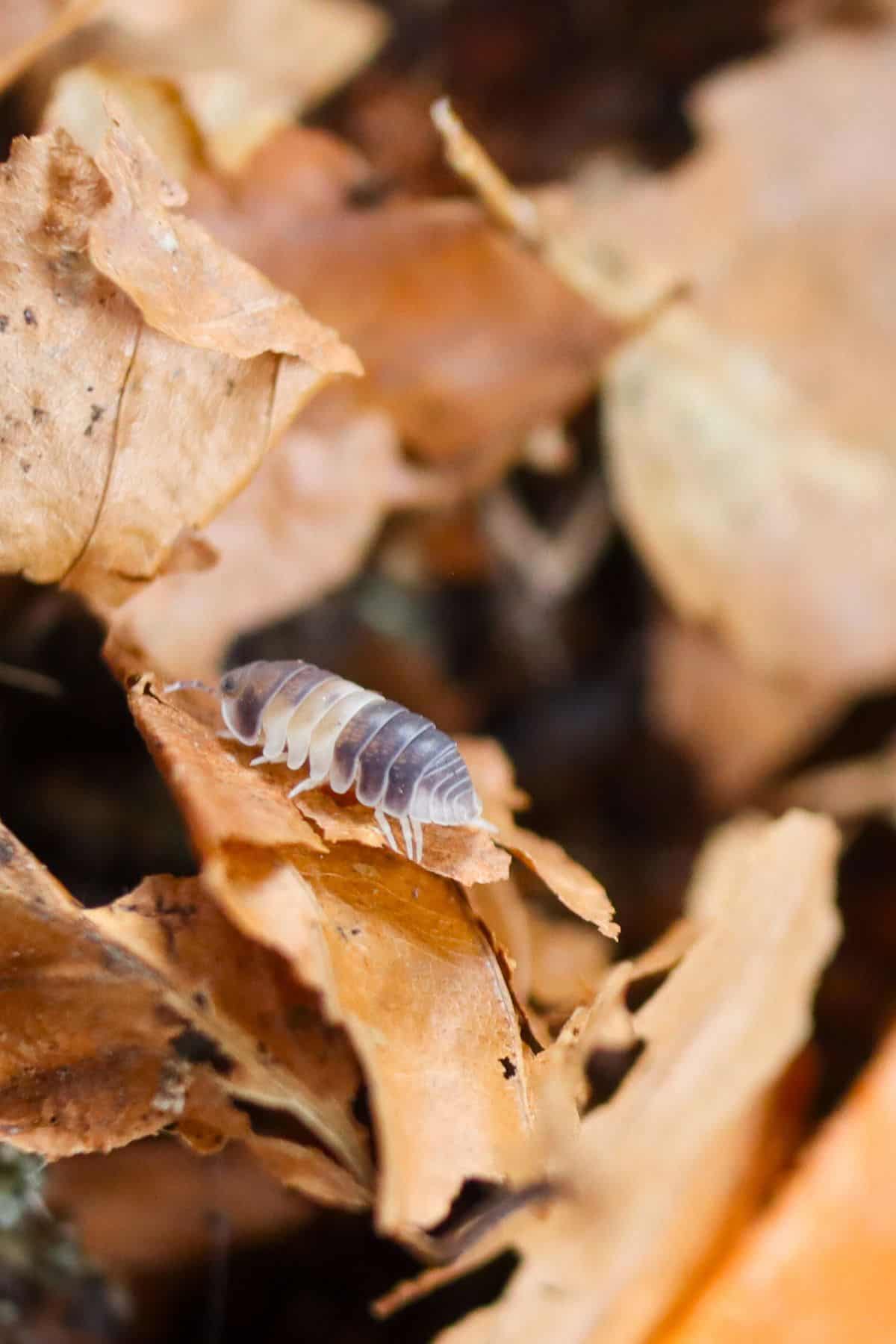
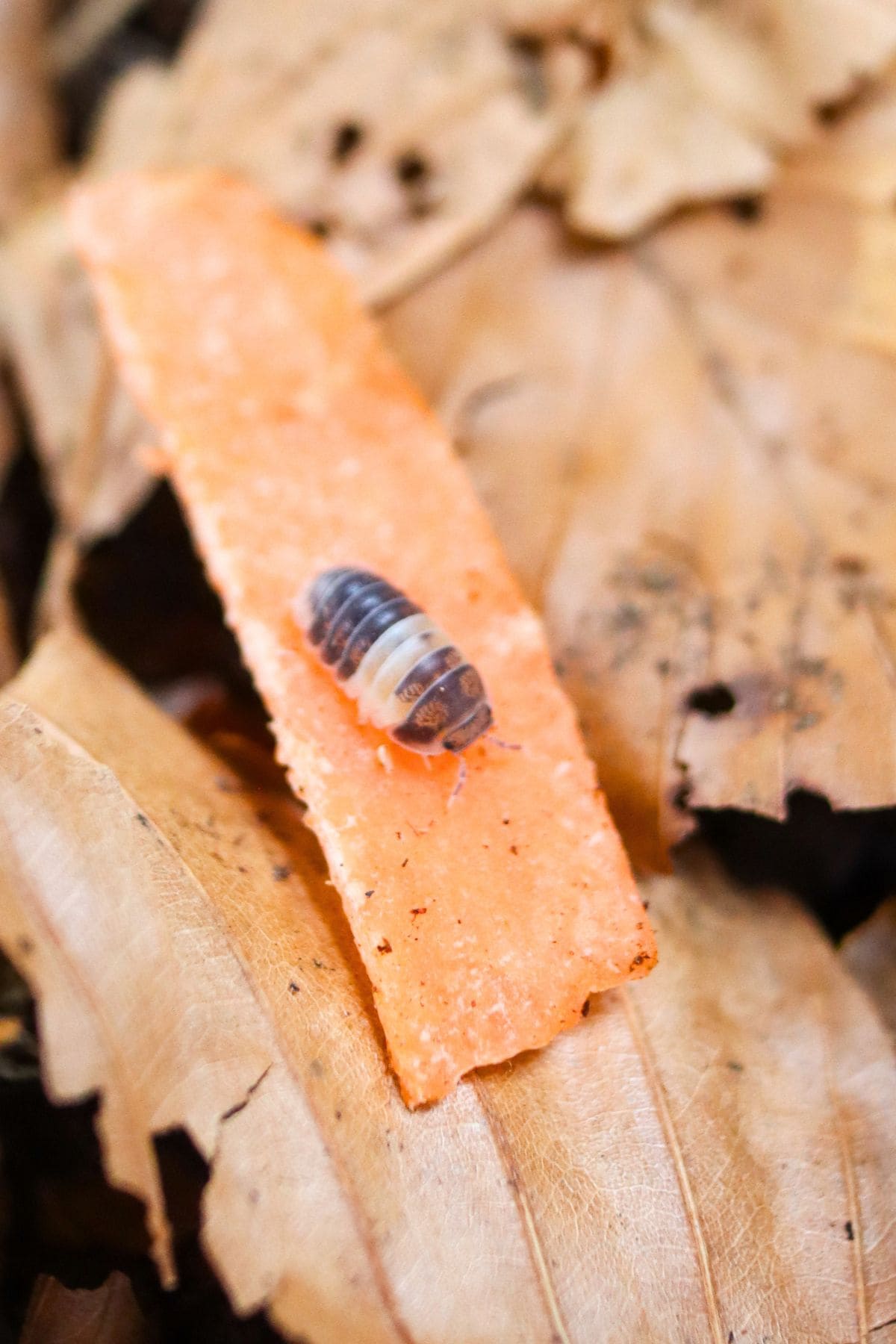
Panda King Isopods are a small Cubaris species, typically reaching around 1 cm in length.
They punch well above their weight visually, with their visual appeal coming from contrast rather than size. Bold black-and-white banding gives them a clean, graphic look that stands out against leaf litter and bark (even though they spend much of their time tucked away).
Thankfully, they’re relatively forgiving for a Cubaris species, which makes them a popular choice for keepers looking to step beyond the very basics without jumping straight into the more demanding varieties.
They work well as a display pet or as part of a terrarium setup, but they’re best seen as a supporting bioactive player rather than a workhorse.
As with real pandas, these isopods tend to be on the slower, less active side…
Panda King Isopod Care
Temperature & Humidity
As you might expect from a species found in damp tropical caves, Panda King Isopods love high humidity.
Like 75%+ humidity, ideally.
Which shouldn’t be hard to achieve if you follow the habitat guide in the next section. It really is important, though, as too low a humidity can cause your rare and relatively expensive isopods to dry out and perish.
Thankfully, they’re more forgiving on the temperature front. Sharing a typical range of 70-80°F (21-27°C) with the Rubber Ducky Isopods.
Alas, with great humidity comes great power pests. So it’s a good idea to add some springtails to your colony.
They’ll help to keep any would-be pests in check (through out-competing them), plus they’ll tackle any mold growth that your isopods can’t keep up with.
Win-win.
Habitat
With a small to medium-sized species like this one, you can easily manage a new colony with a shoebox-sized container.
A Tupperware box with some holes poked in for ventilation is a quick way to get started.
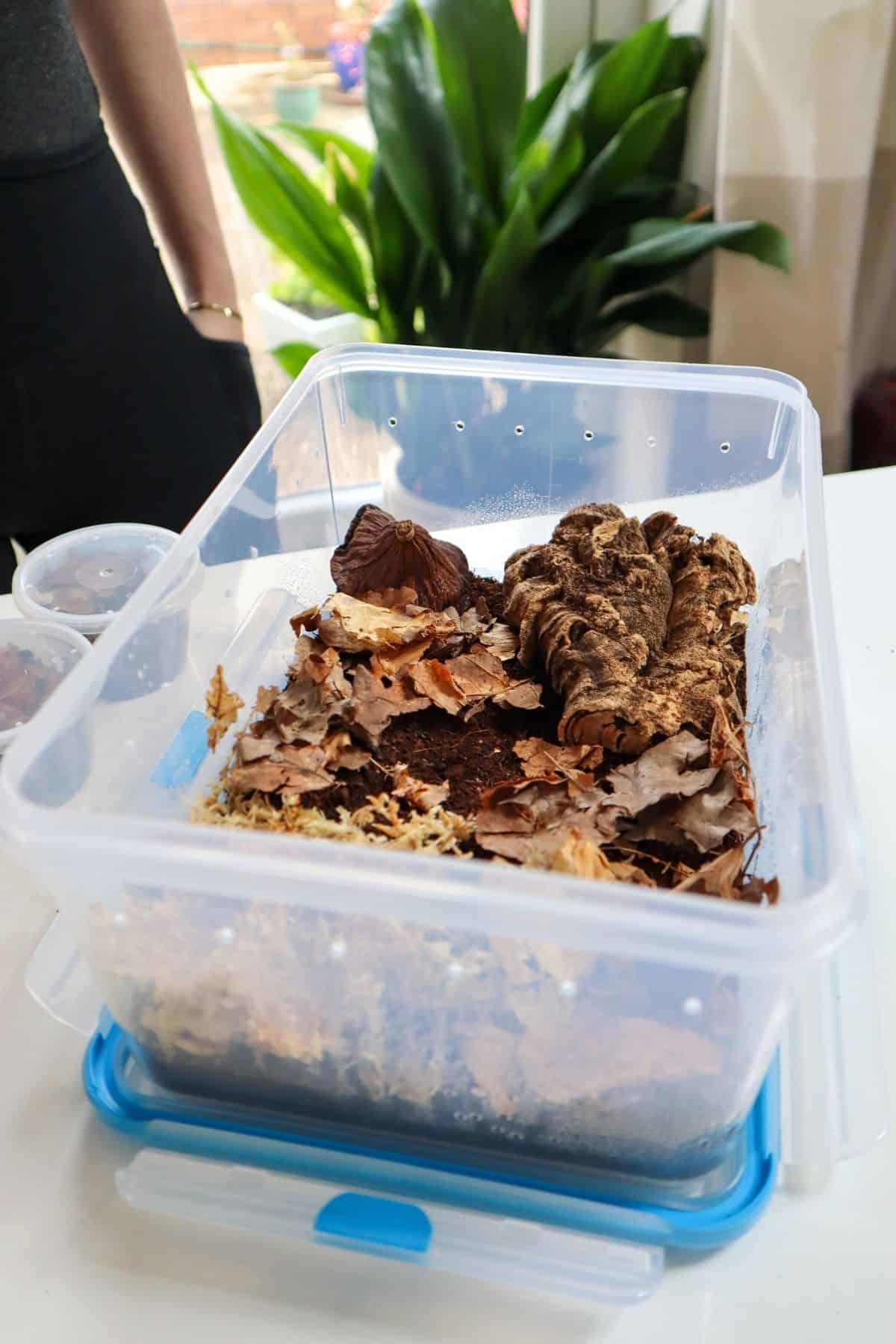
Panda King Isopods seemingly aren’t as sensitive to ventilation as other species, so you can keep the holes to a minimum in order to preserve that all-important humidity.
Just make sure they’re well distributed to maximize airflow through the container.
For your substrate, you can help maintain those high humidity levels by choosing a mix with excellent water retention.
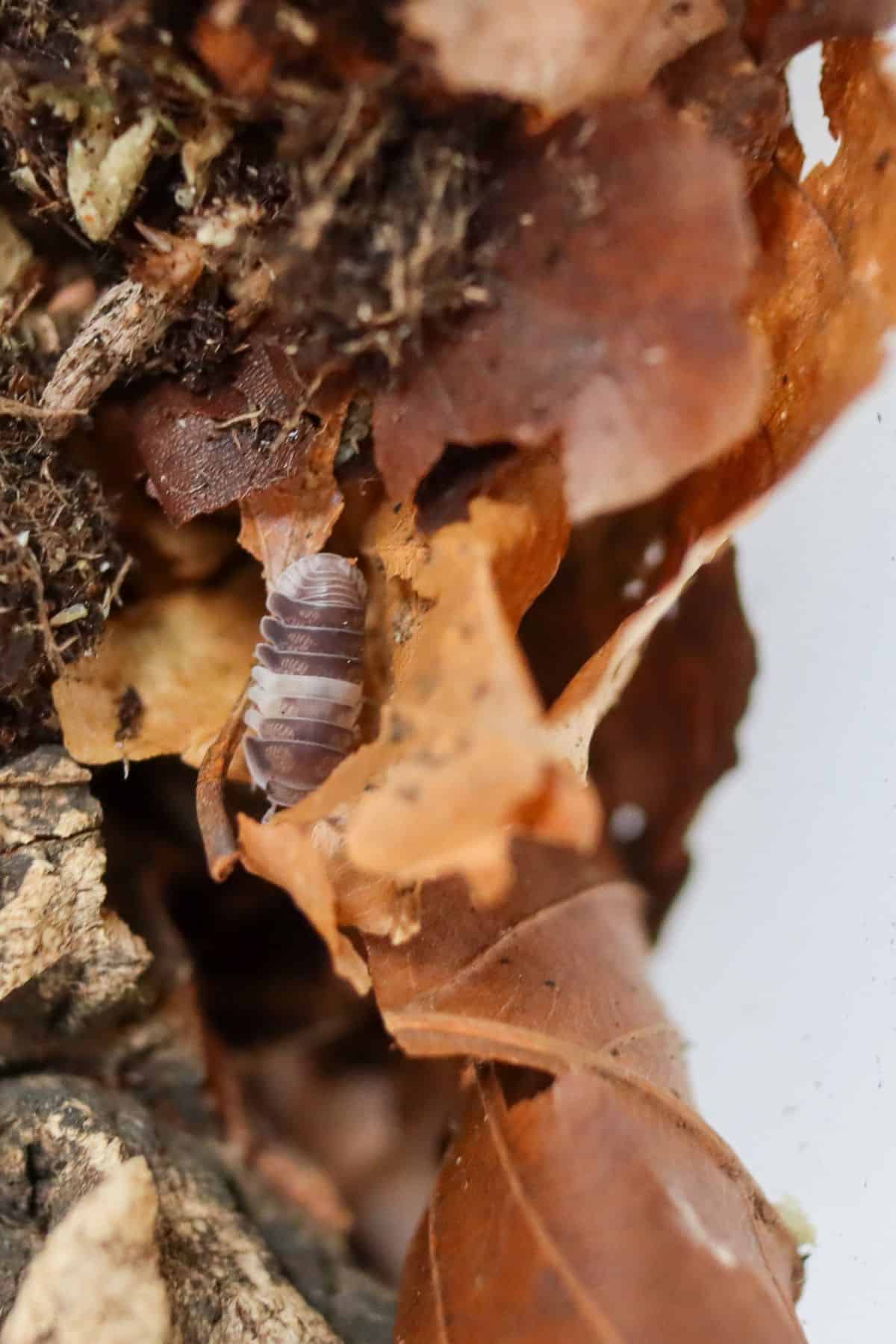
Start with a coco coir base, then supplement with sphagnum moss and orchid bark, and finally, earthworm castings for additional nutrition – a great foundation to keep your isopods fed and watered.
It’s worth noting that Reddit users report that they like to burrow a lot,1 so they’ll need a reasonable substrate depth to accommodate them. I’ve found that they’re very shy and will often stay undercover, though most of the time, I can’t tell where…
Pro Tip: The burrowing process helps to aerate and replenish substrates, so add them to your larger setups to increase the health of the ecosystem.
Cool right? Though, it also means they can be a little harder to spot.
Be sure to add plenty of softwood branches (plus some cork bark pieces – isopods love it) and leaf litter for food. They’ll really appreciate the natural hiding spots, and it’ll provide a stable source of nutrition for them.
Food
Panda Isopods eat a wide and varied diet of detritus and food scraps.
Though rotting wood and leaf litter should form the backbone of any isopod diet, it’s easy to supplement with vegetables and protein sources.
Freeze-dried shrimp and minnows make a nutritious protein snack, or fish flakes can often work in a pinch.
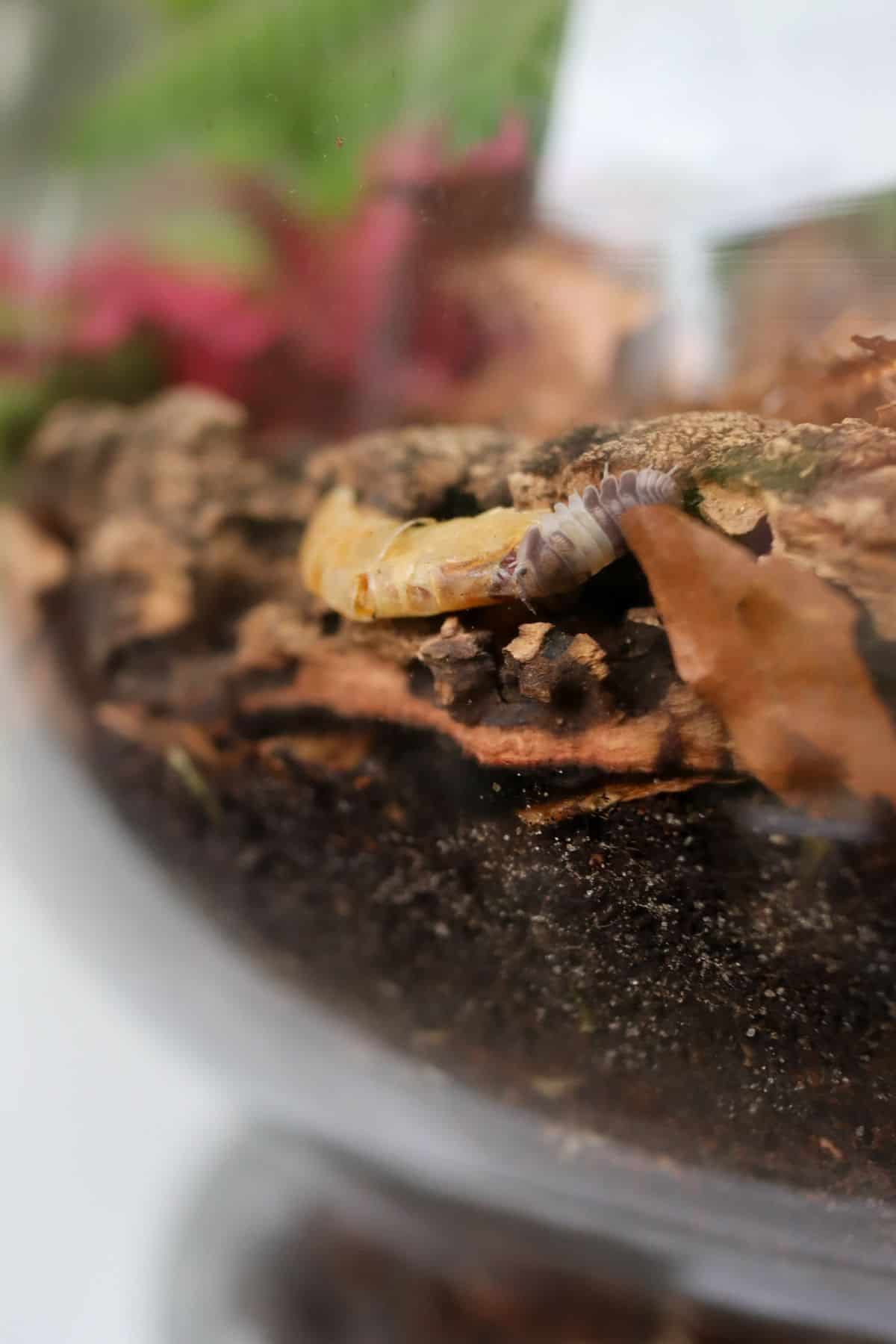
As with other Cubaris species, a sprinkling of crushed limestone is a crucial element of their diet too – designed to mimic their natural cave habitat.
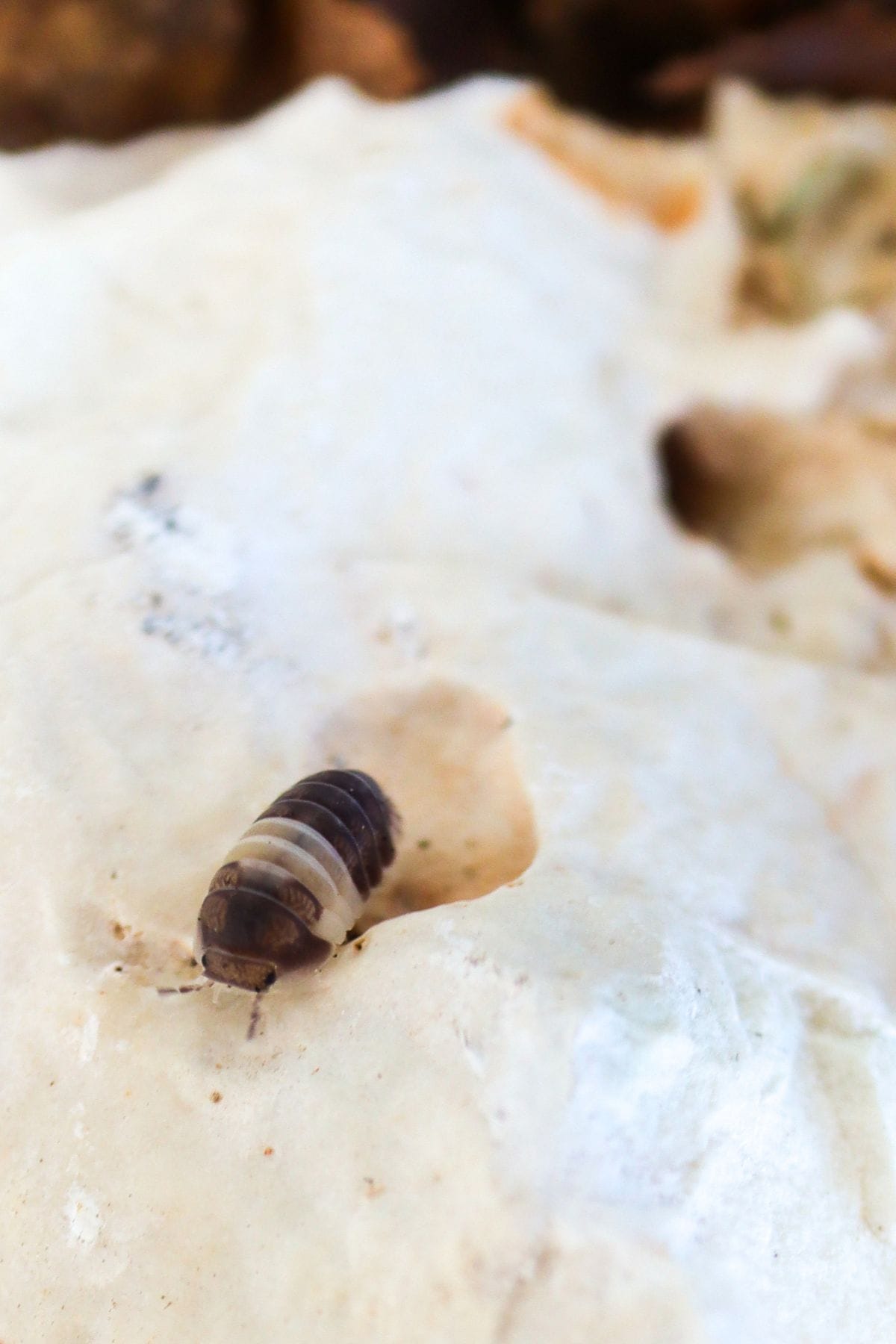
Cuttlebone and eggshells can be other helpful supplementary calcium sources.
With any food you add, be sure to only add an amount that you think your colony can finish in one sitting. Food can quickly spoil in a high-humidity enclosure, inviting a mold and pest party that can quickly spiral out of control.
That’s what makes our Isopod Superfood Powder so easy and convenient. It’s packed full of nutrition in every sprinkle (including protein and calcium), so a little goes a long way!
For more help, check out my broader isopod food guide.
Breeding Panda King Isopods
Thankfully, these isopods breed a lot better than their namesake panda bears.
I’m pleased to hear that these actually reproduce reasonably well for a Cubaris species, and certainly a lot better than their Rubber Ducky counterparts. Which isn’t difficult, to be fair…
Much like the Little Sea Isopods (Cubaris murina), they’re still slow to start. It may take several months to settle in first, but under the right conditions, your patience will be rewarded.
Wrapping Up
There you have it, everything there is to know about Panda King Isopods.
Alternatively, if you’re in need of more isopod inspiration, be sure to check out my isopod species guide.
References
- https://www.reddit.com/r/isopods/comments/pl1uaq/panda_king_isopod_care/ ↩︎

Hi, just wondered for sprinkling limestone. Is using calcium powder the same or do you need limestone granules/something else? Thanks!
Hi Holly, calcium powder is probably a reasonable supplement for most isopods, but for Cubaris isopods (like the Panda Kings), I’d personally stick with pulverized limestone as that matches their native environment best.